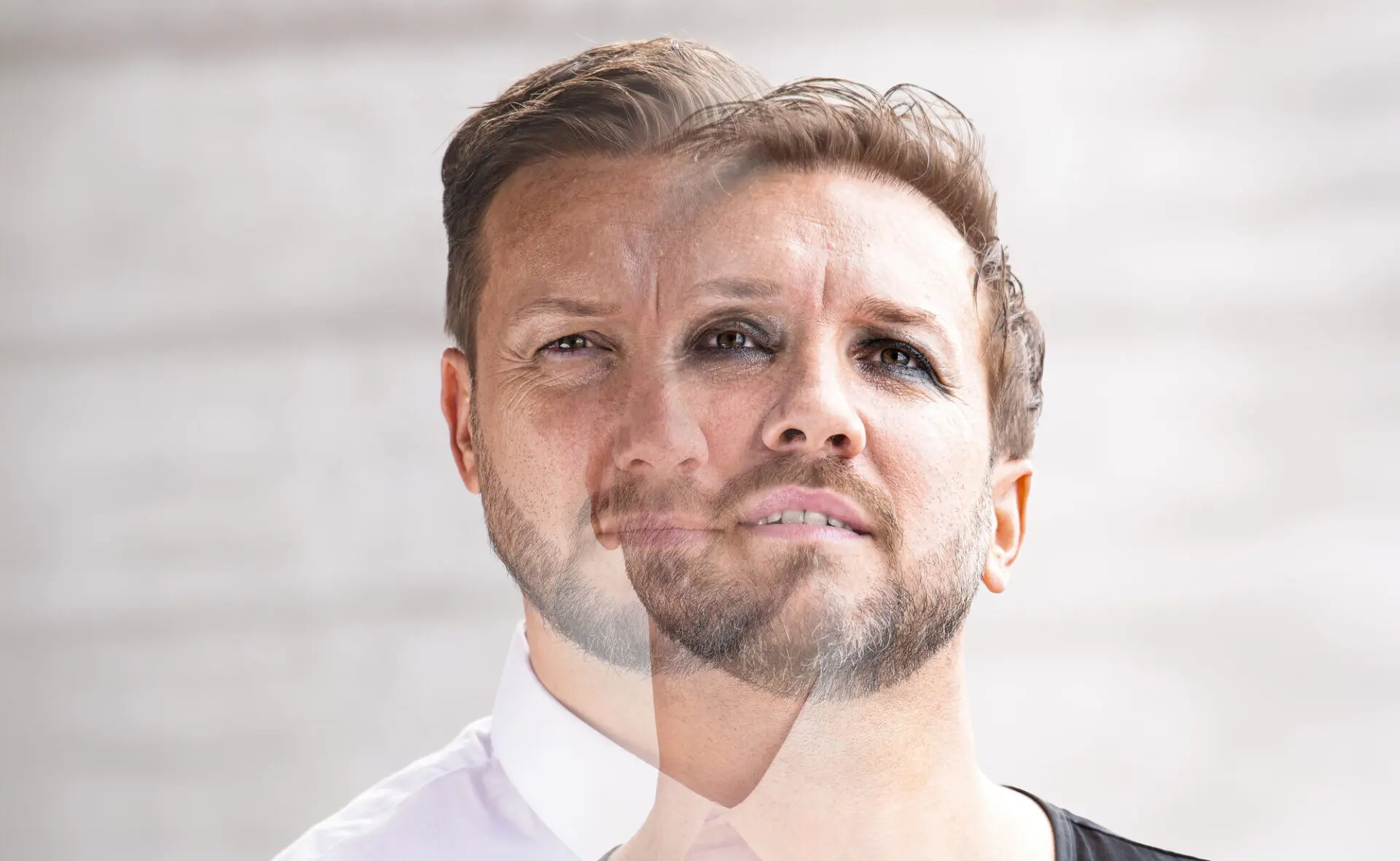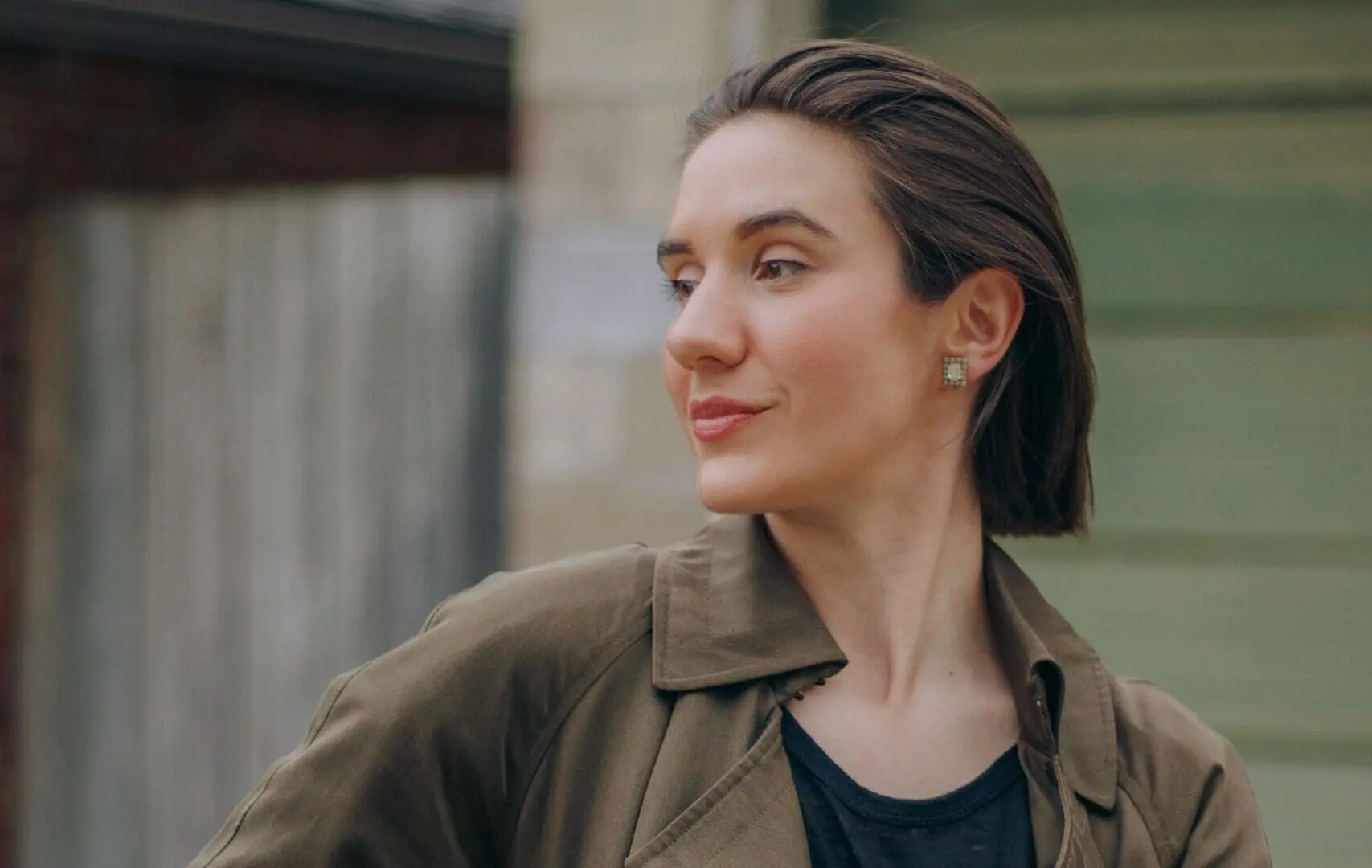
Bulgarian-Canadian mezzo-soprano Adanya Dunn takes us to Warsaw, Poland, while she is singing the role of Sesto in Mozart's La clemenza di Tito on September 27th and 28th (tickets and info).
Adanya is a versatile artist and interdisciplinary performer. Career highlights include her American debut as Hermia in Britten’s A Midsummer Night’s Dream at Santa Fe Opera, the Canadian premiere of Sophia’s Forest at City Opera Vancouver and the world premiere of Pomegranate at the Canadian Opera Company. When she returns from Poland, Adanya will be performing in Tapestry Opera's Tapestry Briefs: Under Where? and will be the alto soloist in Handel’s Messiah with the Kingston Symphony. She is also part of the Berlin-based electronic-voice duo #operEMIX and founder of Red Light Arts & Culture.
While in Warsaw, Adanya shares where to find the best vegan meals, the history of the opera house and the little things that make temporary accommodations feel like home. Read on to find out more.
City where you're working?
Warsaw, Poland.
How long are you working on contract?
I did almost six and a half weeks in the spring, and am here for another two weeks through September for the revival.
What's the opera house like?
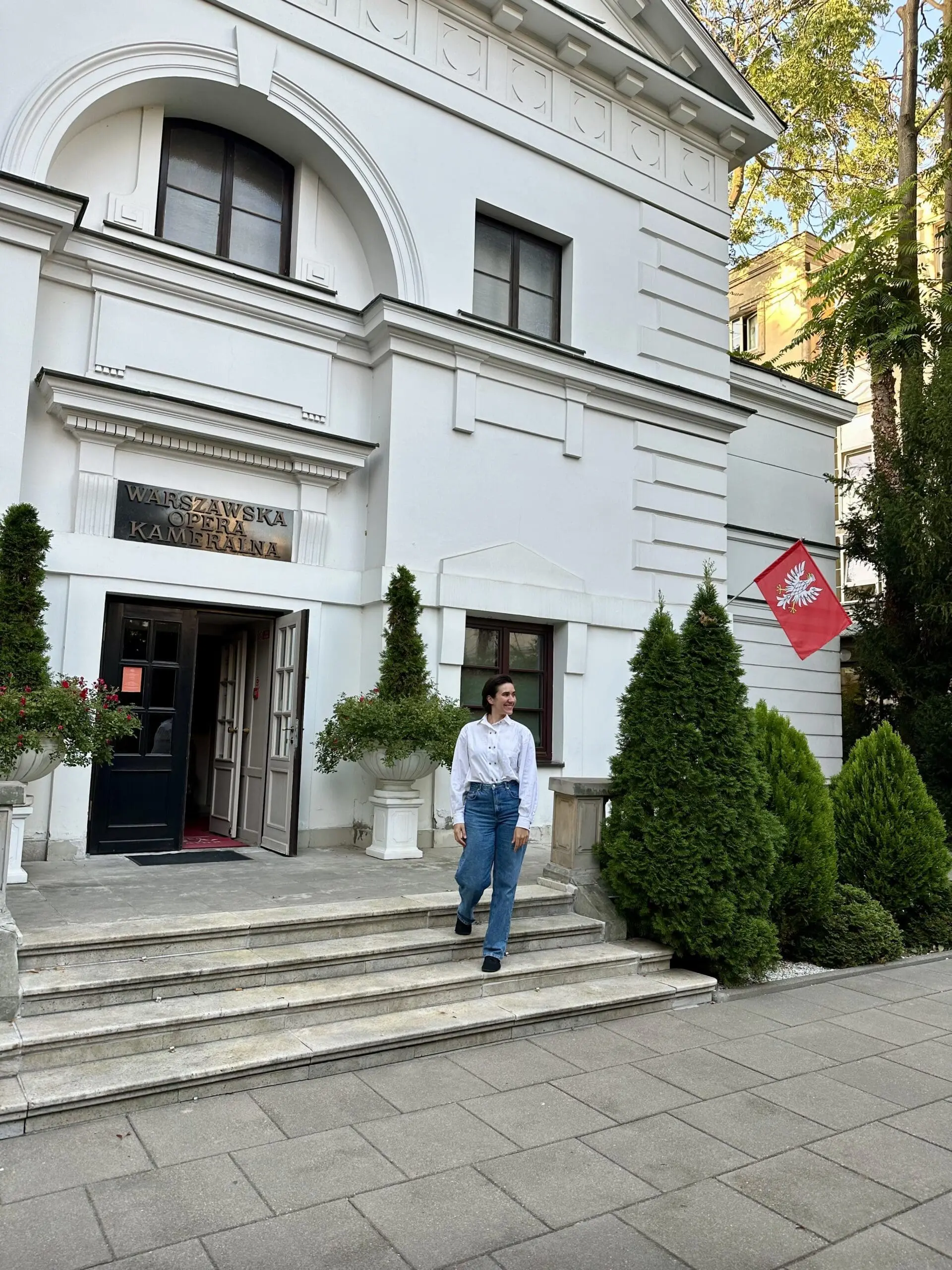
The opera house has about 180 seats. There is one balcony and the orchestra seats are practically up to the stage – it’s such an intimate space!
It was originally built in 1777 as Warsaw's first Polish Reformed Church. The building previously housed the Student Theatre Satirical and then, in 1986, the Warsaw Chamber Opera relocated there as its main home.
Where is the most peaceful place in the city?
Respite for me is usually found alone in my apartment! Or walking back from rehearsal along the side streets, coming across various small parks and hidden gems along the way.
Best coffee or tea?
While I’m not really a coffee drinker, I just discovered this one café near where I’m staying now, called Turnus. It’s also a contemporary art gallery where they host indie art events and have a little book shop, and it feels like a community hub!
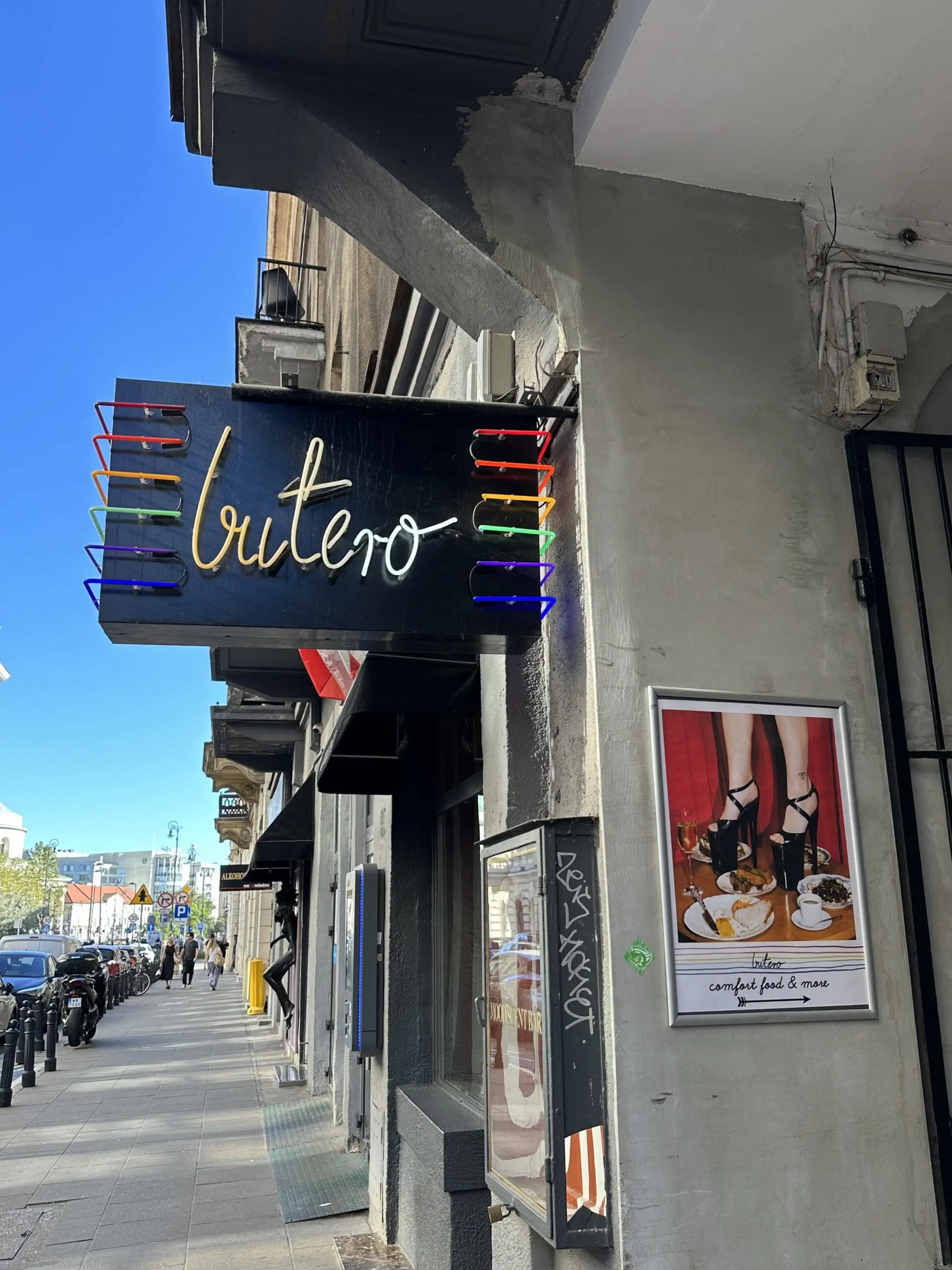
Coolest bar or restaurant you've been to? The city has some incredible vegan food options, both local cuisine and food from around the world. I love Butero – which celebrates itself as a “safe space with comfort food” with many delicious vegan options… not to mention the vibes are very 💅🔮🪄💫. It’s tucked away in a lovely courtyard, with indoor and outdoor seating. They host events year-round and is the only queer space in Warsaw.
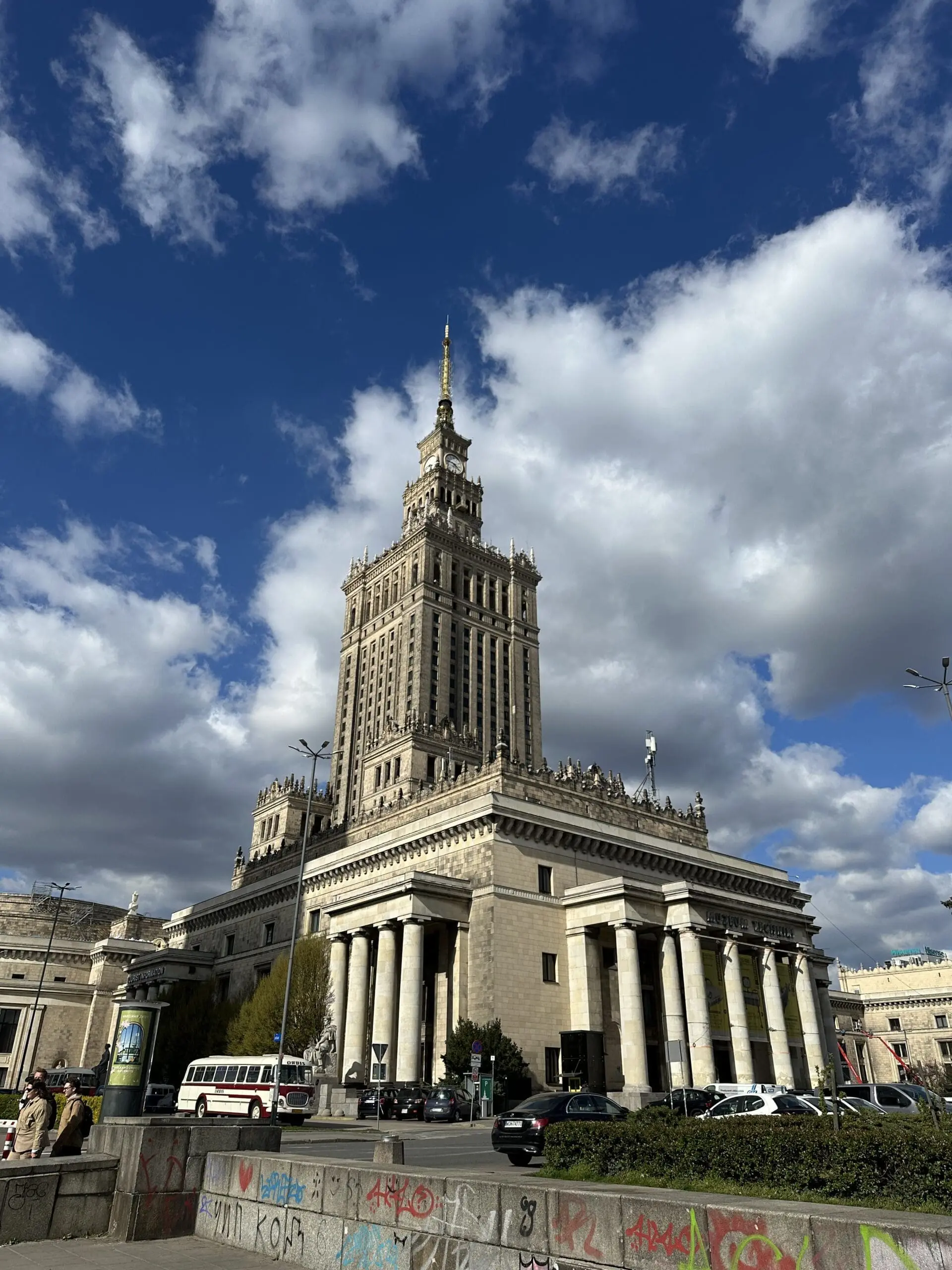
The area around there has great vintage shopping, and there’s this wonderful vegan bakery called Eter (and they have specialty coffee and matcha if you’re into that!). There’s also the Palace of Culture and Science, with various live performance theaters, cinemas, cafés/bars/restaurants, event spaces and a top view (it’s the second tallest building in Poland).
In the complex, there’s Bar Studio with amazing vegan pizza!
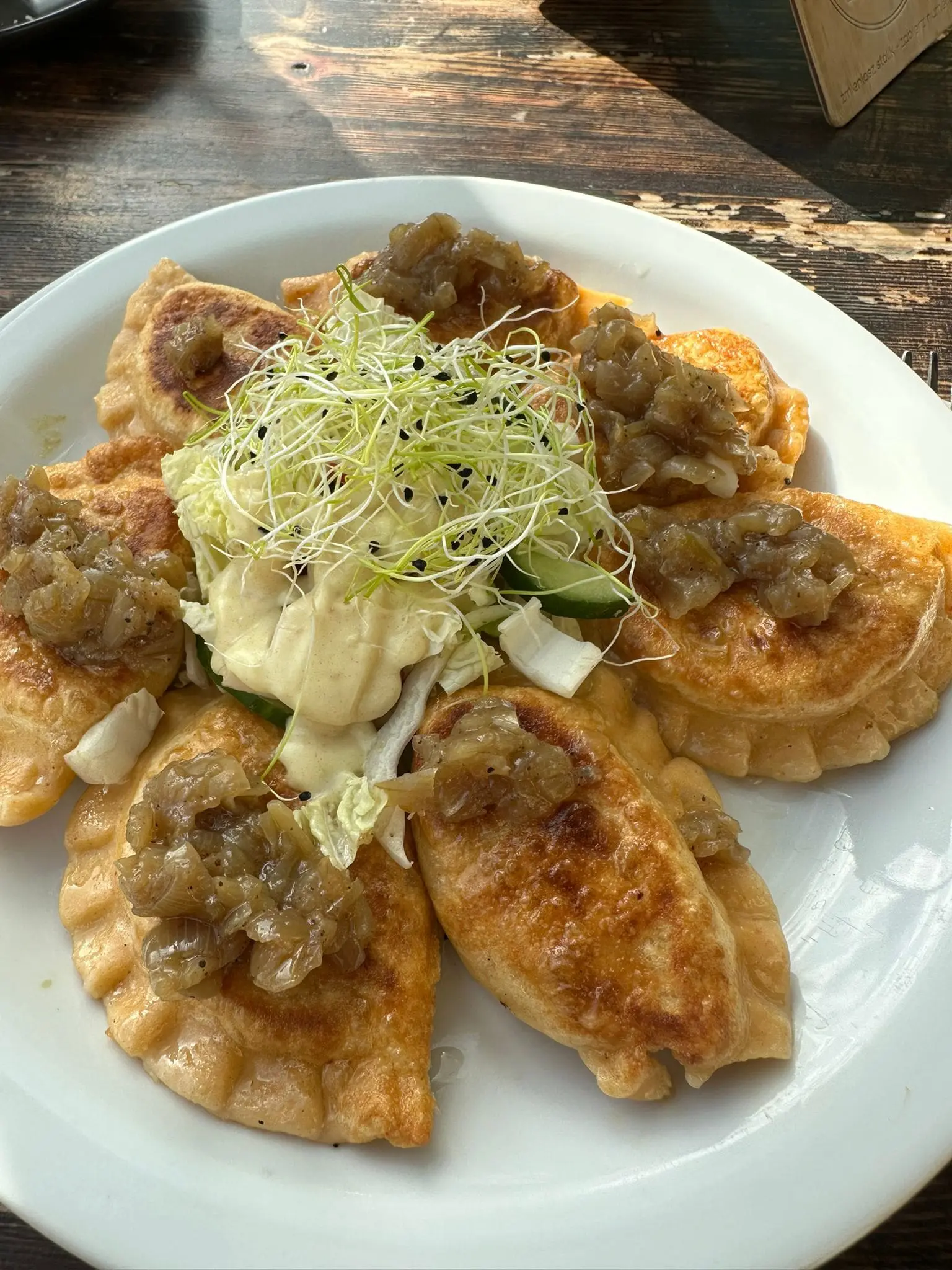
And of course… perogies from Vege Miasto!
An activity you have done that is unique to the area? September is Warsaw Gallery Weekend! It’s a free annual showcase of contemporary art organized by the leading private galleries from Warsaw. I had the chance to go into some small, independent galleries, and check out some old, historical buildings, in very cool areas!
When I was here back in April, there was the LGBT+ Film Festival Poland. It happens in cities all over the country and is the largest queer film festival in Central and Eastern Europe. In Warsaw, I had the chance to catch a few different showings, listen to some talks with filmmakers, and stop by some of their ballroom events.
How did you find accommodation?
The company here provides finds and provides accommodation, which is amazing. Both times I’ve stayed here in different spots, and they have been very comfortable.
Some companies provide a stipend and you find your own housing, other companies require that we find and pay for the accommodation ourselves. You never know what you’re going to get until you start a conversation with them!
What’s the most important thing you think of when it comes to finding accommodation as a singer?
A functioning kitchen!
I also appreciate the small items of home, like a clothing steamer, tupperware, a vacuum, and oil and salt that are already there… This helps to make me feel more at ease. And a firm mattress!
Is there anything else you’d recommend?
Keep your eyes open, and look up and down! There’s lots of street art both big and small – that scale the sides of tall buildings or nestle into hidden crevices, flatted against interesting surfaces.
LEARN MORE ABOUT ADANYA DUNN
VISIT THEIR WEBSITE
© Photo used with permission from the artist
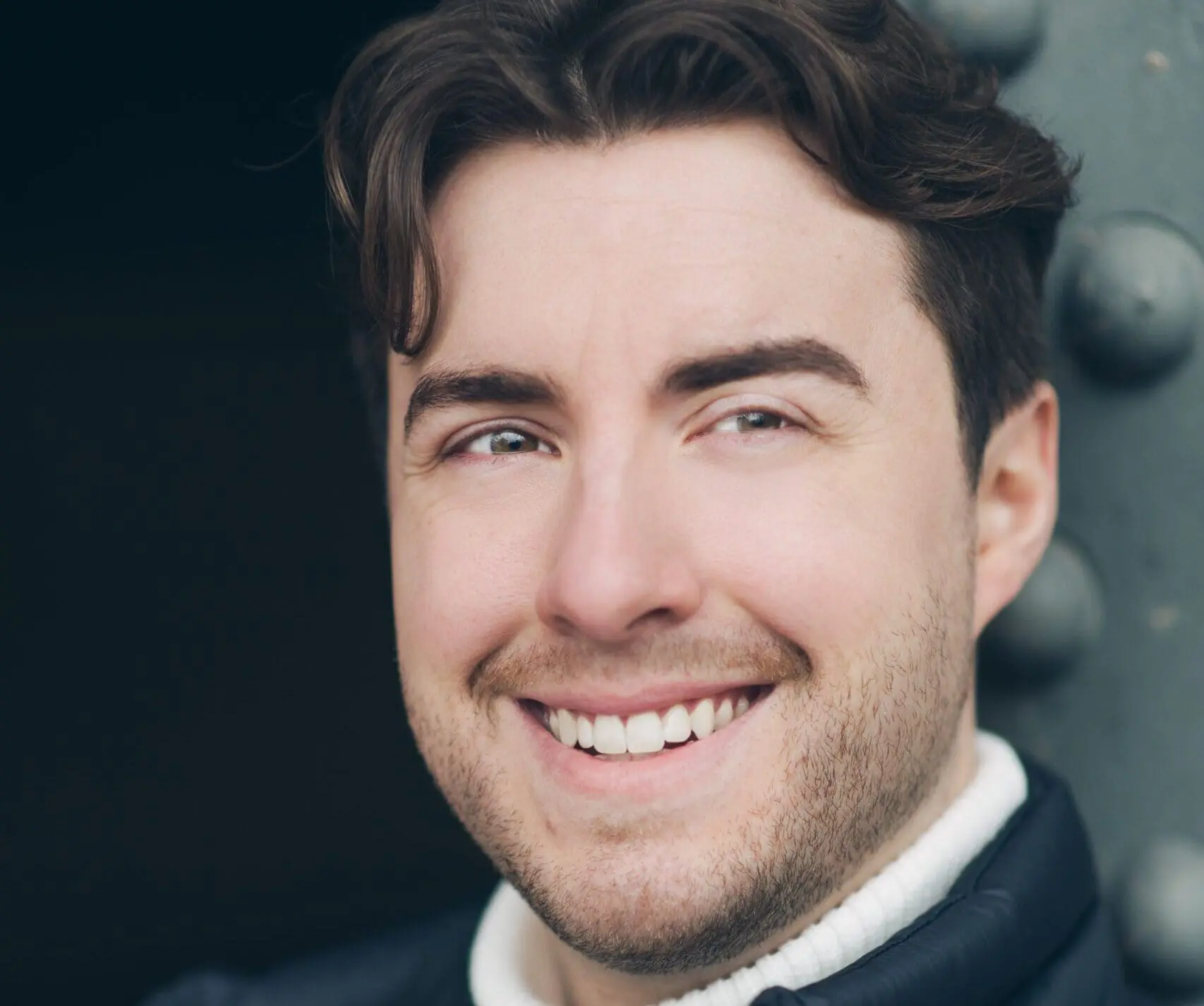
Adanya outside of the opera house
© Adanya Dunn
Pierogies
© Adanya Dunn
Butero
© Photo used with permission from the artist
Palace of Culture and Science
La clemenza di Tito
Warszawska Opera Kameralna

September 26-28
MUSIC DIRECTOR: Benjamin Bayl
STAGE DIRECTOR: Anna Sroka-Hryń
SCENOGRAPHY & MULTIMEDIA DESIGNER: Grzegorz Policiński
CHOREOGRAPHER: Paulina Andrzejewska – Damięcka
COSTUME DESIGN: Sabina Czupryńska
LIGHTING DESIGN: Piotr Hryń
GRAPHICS & ANIMATION DESIGN: Tomasz Grimm
DIRECTOR'S ASSISTANT: Aleksandra Hałaczkiewicz
MUSIC DIRECTOR'S ASSISTANT: Jakub Zwierz
CHOREOGRAPHER'S ASSISTANT: Bartosz Dopytalski
TITO: Aleksander Kunach
VITELLIA: Serena Farnocchia
SESTO: Adanya Dunn/Danielle Rohr
ANNIO: Elżbieta Wróblewska
SERVILIA: Hanna Sosnowska-Bill/Magdalena Stefaniak
PUBLIO: Mariusz Godlewski
YOUNG TITO: Stanislau Sinichenka
STUDENTS OF THE ROMAN TURCZYNOWICZ STATE BALLET SCHOOL IN WARSAW
DANCERS: Nikola Zientarska, Magdalena Tandek, Julia Witczak,
Bartek Dopytalski, Krzysztof Jaros, Bartłomiej Kamiński
STILT WALKER: Wojciech Rotowski
THE CHOIR OF THE WARSAW CHAMBER OPERA
CHORUS MASTER: Krzysztof Kusiel-Moroz
La Clemenza di Tito, in my interpretation, is a psychologically and metaphysically profound story about the Human Being—about their complex and fragile nature. Tito emerges not only as an emperor but as a man, fallible and capable of self-reflection. At the core of the opera lies the trio Vitellia–Sesto–Tito, with Sesto at the heart of the conflict. The relationships within this trio are ambiguous, set against a violent and ruthless world of ancient Rome. But is it really ancient?
The power of Shakespearean drama, Dostoyevsky’s literature, and great operatic works lies in their universality. Yes, we have airplanes, the internet, rapid information flow, we’ve gone to space, and artificial intelligence streamlines decision-making—but humanity has not changed. The passions and desires we fall prey to remain the same. Only the backdrop has changed, while manipulation has become more subtle and sophisticated.
The opera’s libretto serves as a springboard for reflections on our contemporary spiritual and psychological condition. Through this dissection, we have a chance to approach that delicate, sensitive place within us that defies all definition.
Opera Canada depends on the generous contributions of its supporters to bring readers outstanding, in-depth coverage of opera in Canada and beyond.
Please consider subscribing or donating today.