Manitoba Underground Opera (MUO) capped its darkly hewn 2026 season notably with the Manitoba premiere of Puccini’s rarely performed Le Villi, a spooky story in which spirits rise from beyond the grave to wreak their revenge. The 65-minute production (sans intermission), stage directed by Emma Welham (MUO debut), featured a live five-piece chamber ensemble artfully led by Véronique Lussier, who appeared courtesy of Tapestry Opera’s Women in Musical Leadership program.
Originally penned as an opera-ballet for a local competition in 1883, Puccini’s inaugural stage work is based on an Italian libretto by Ferdinando Fontana, in turn inspired by Jean-Baptiste Alphonse Karr’s short story “Les Willis.” Its skeletal plot, set in the Black Forest, features the newly betrothed Anna and Roberto on the eve of his departure to Mainz to collect a sizable inheritance. During his travels, Roberto falls prey to an unseen temptress, leaving Anna to die of a broken heart. After hearing of Anna’s demise and now tossed aside by the seductress, Roberto returns to be confronted by her vengeful spirit and the villi, a chorus of fairies that force him to dance to his own frenzied death.
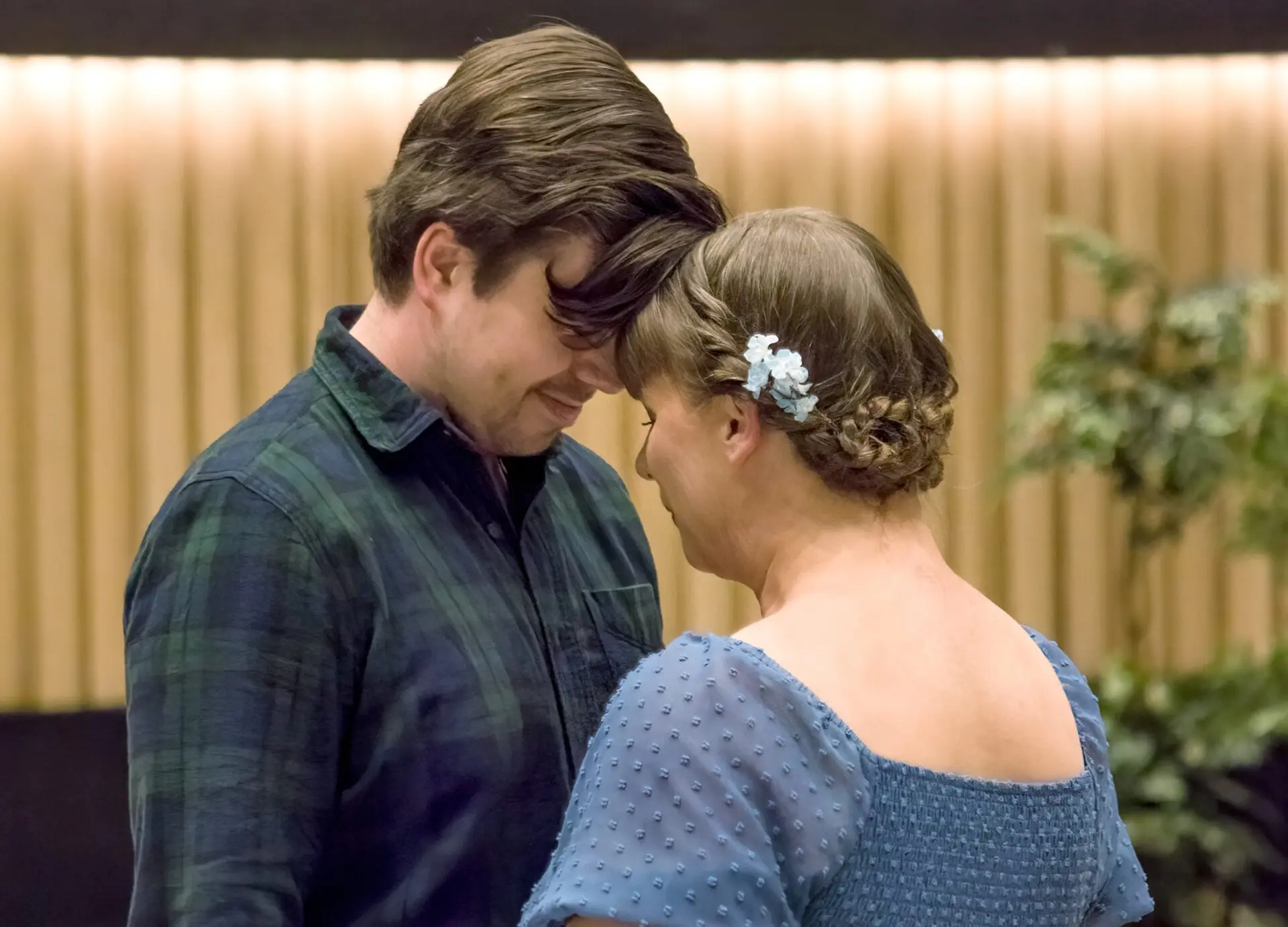
A fine trio of principals included Winnipeg-based singing-actress and local opera treasure Lara Ciekiewicz as Anna, who plucked petals from her bouquet of forget-me-nots during her opening aria “Se come voi piccina,” whcih sets the tone for the first act (spring). Her soprano shimmered throughout its lushly lyrical thematic material that was sung with heartfelt emotion and ringing high notes, and she immediately inhabited her tragic character through an emotional trajectory from girlish innocent to supernatural fairy wracked by pain.
Manitoba-born tenor Adam Sperry, as forester Roberto, proved another force of nature. His robust vocals fully displayed during his own aria at the top of Act Two (winter), “Torna ai felici di,” as he mourns his former carefree days. His confident artistry offered an ideal match for Ciekiewicz’s thoughtfully crafted portrayal, despite showing some strain in his uppermost register at times.
Not to be outdone, Edmonton-based baritone Connor Hoppenbrouwers, as Anna’s protective father Guglielmo, boomed through his own aria, “Anima santa della figlia mia,” in a performance that wholly satisfied and showed the depths of his grief as he blames Roberto and calls for the villi to seek revenge on his intended son-in-law.
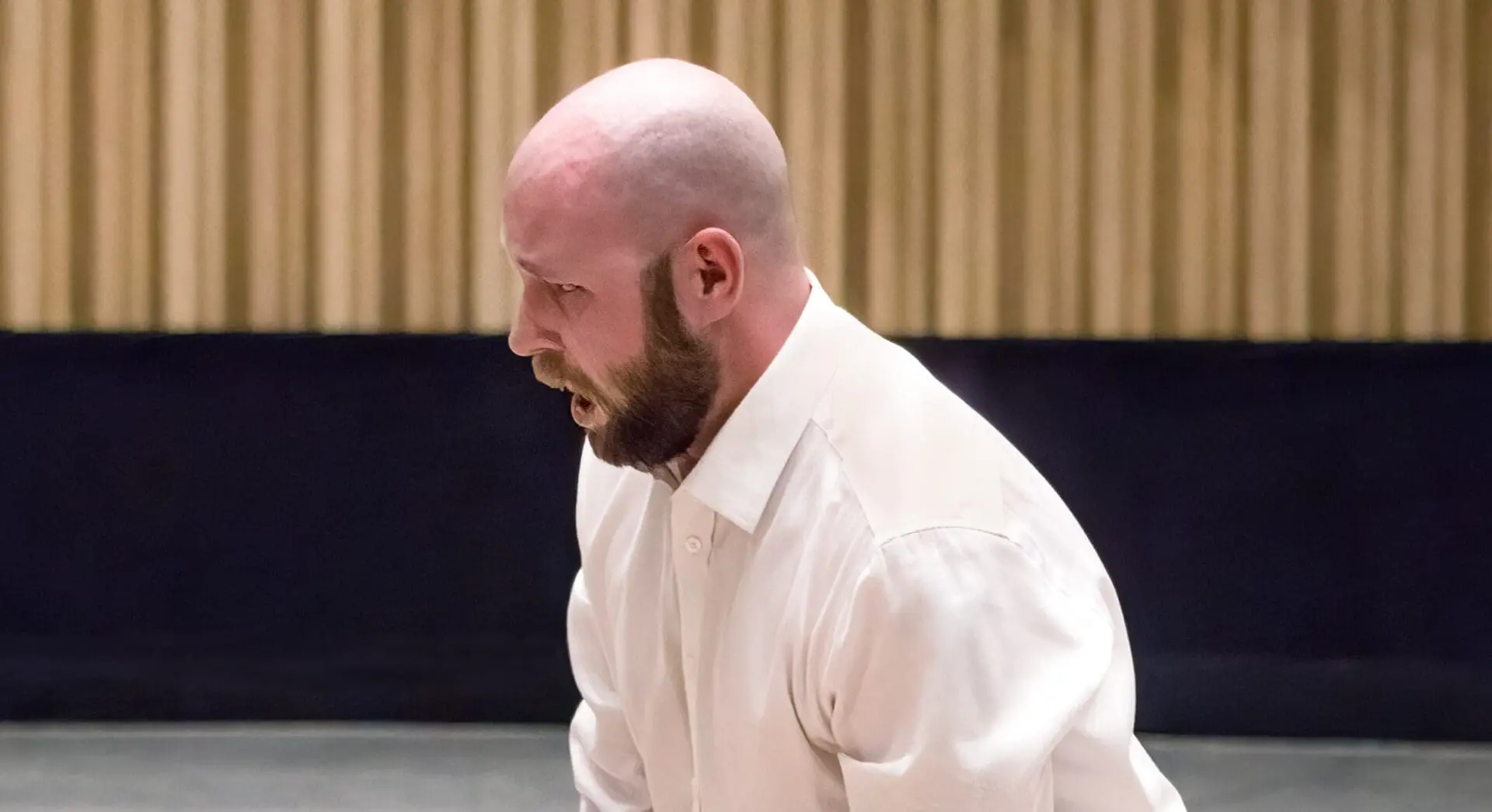
Photo Credit: Paul McKeen
Connor Hoppenbrouwers as the grieving father, Guglielmo, in Le Villi
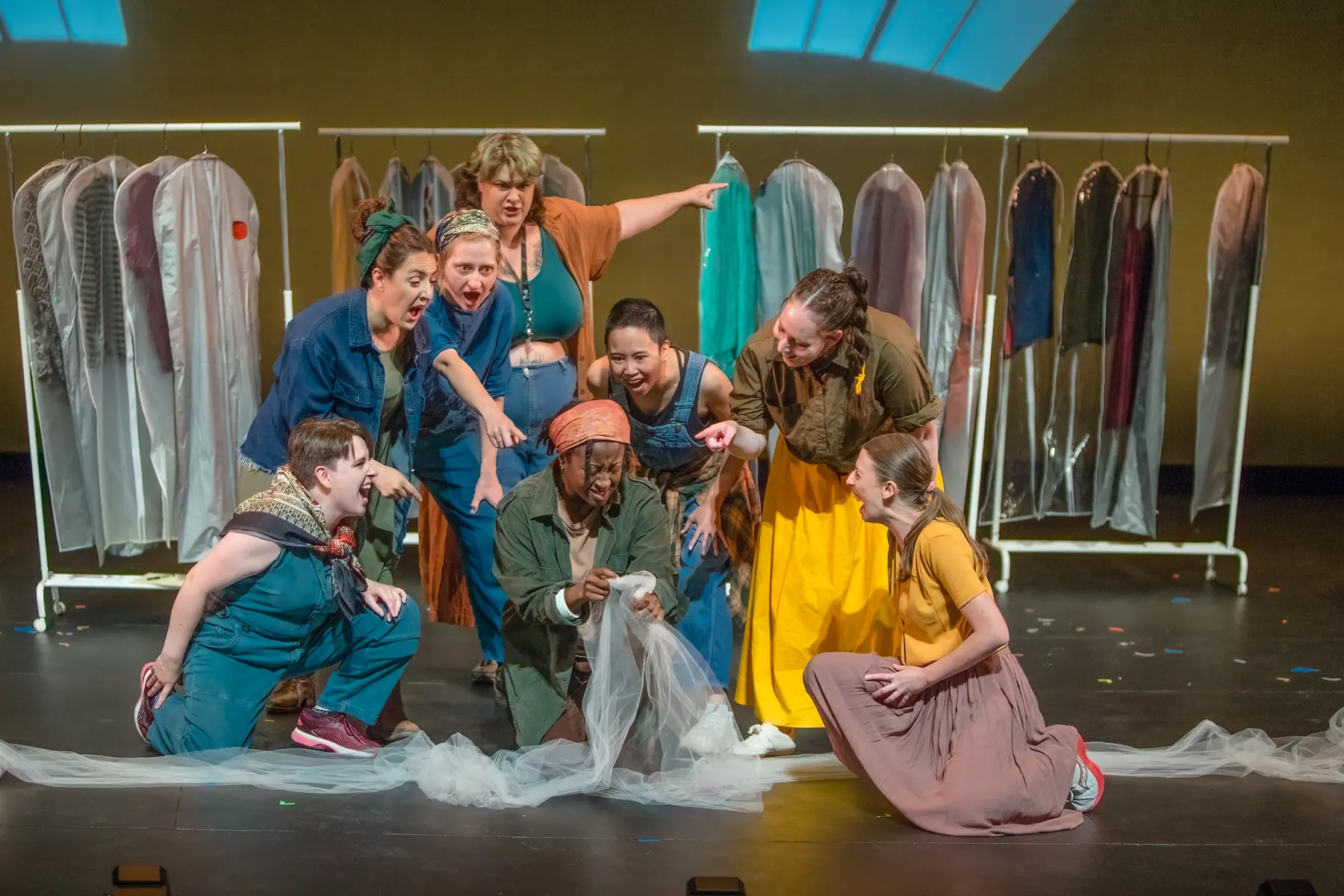
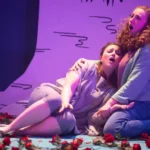
Ironically, the villi, who first appear in the second act as doppelgangers for the village peasants and mountaineers of the first, were the show’s only weak link – they had several ragged vocal entries and some tuning issues. Still dressed in their floral frocks from Act One, albeit now with diaphonous veils covering their faces, these spirits appeared more like happy-go-lucky picnickers out for a day in the woods than ghostly spirits hellbent on avenging jilted women. More passion and dramatic intensity (as well as possibly darker costume choices) would have significantly ramped up the entire production’s life-and-death ethos.
Performing in the round, the fairies’ circular seating around the stage area unwittingly added challenges for singers more accustomed to a proscenium stage, but it did create a glorious, antiphonal and all-immersive experience for the audience. It’s not every day that opera singers are performing only a few arm’s lengths away, and Welham’s sensitive direction ensured we were not (always) watching singers’ backs in the intimate venue.
The ensemble fared better as the peasants and mountaineers, particularly in their lilting opening dance, which became a kaleidoscope of movement and life. As the villi, their “Gira, balza” elicited goose bumps. The finale rose to a thundering “hosanna” as Roberto lay dead on the floor in front of Anna’s coffin, strangled – and tangled – in her spirit’s voluminous veil like a spider web.
Several sections might have benefitted from more imaginative staging, particularly during Intermezzo section, where the first part, “The Abandonment,” and the second part, “The Witches’ Sabbath” incorporated spoken English dialogue, but an added proposal scene between the lovers during the show’s Prologue was a nice touch. It was underscored by chamber orchestra: violinists Julie Savard and Darryl Strain; Michaela Kleer, viola and Samuel Nadurak, cello; joined by repetiteur Lee Houghton Stewart on piano.
Once again, MUO, helmed by its tireless artistic director Brendan McKeen – who gamely manned the show’s English surtitles from an onstage podium – has demonstrated its thirst for musical adventure. This was a rare opportunity to hear a live performance of Puccini’s fledgling opera, a piece that promised so much more to come for the future master composer.
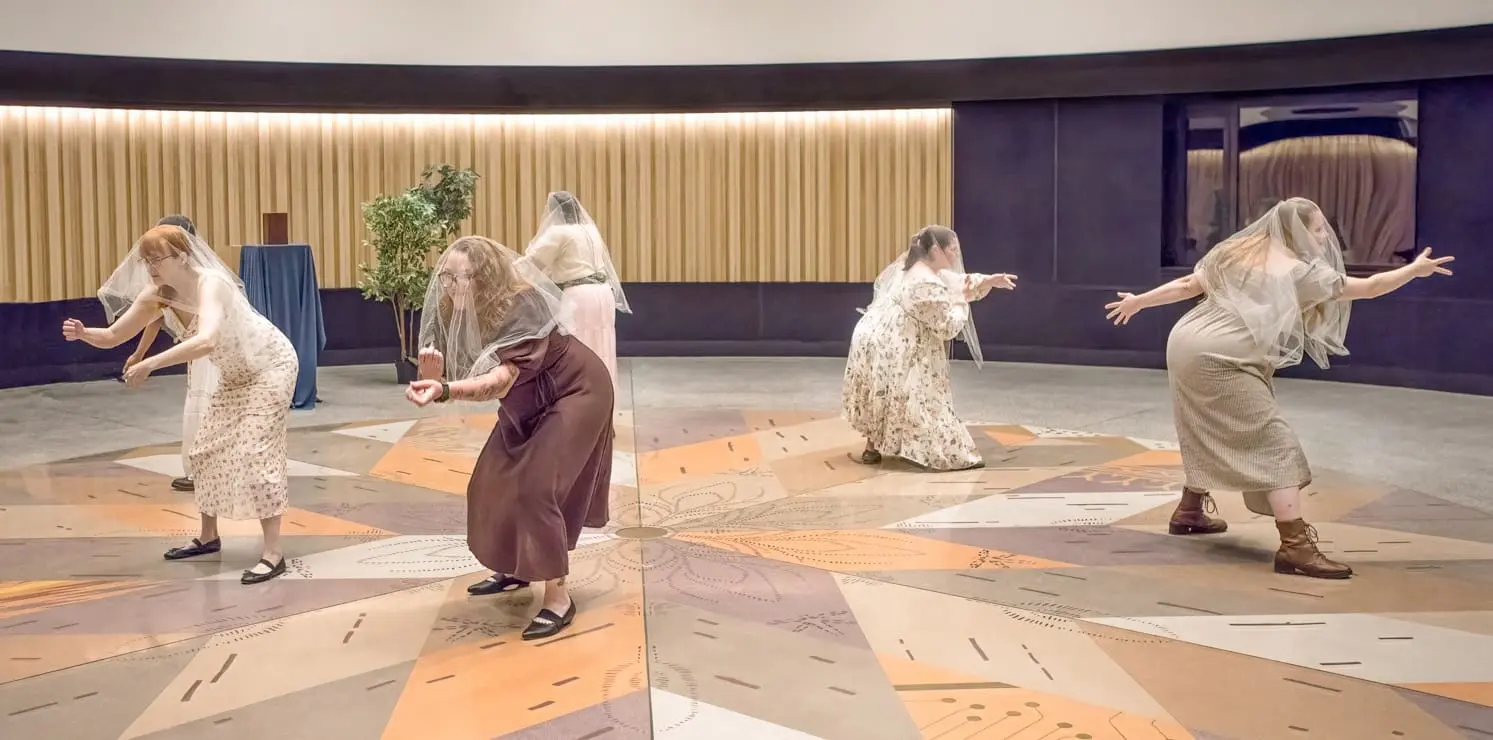
Photo Credit: Paul McKeen
The titular villi prepare to take vengeance on the unfaithful Roberto
Opera Canada depends on the generous contributions of its supporters to bring readers outstanding, in-depth coverage of opera in Canada and beyond. Please consider subscribing or donating today.