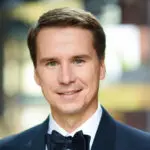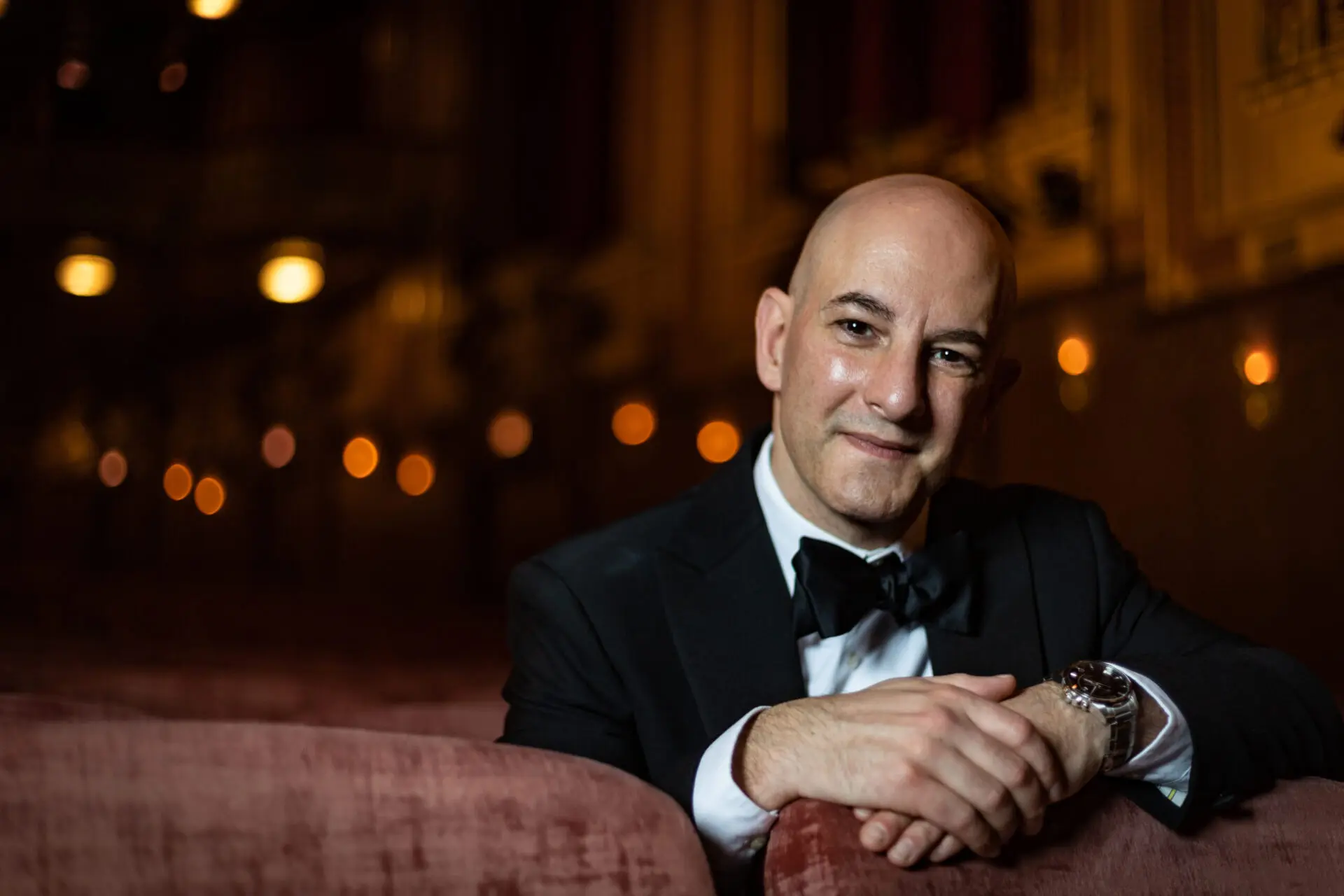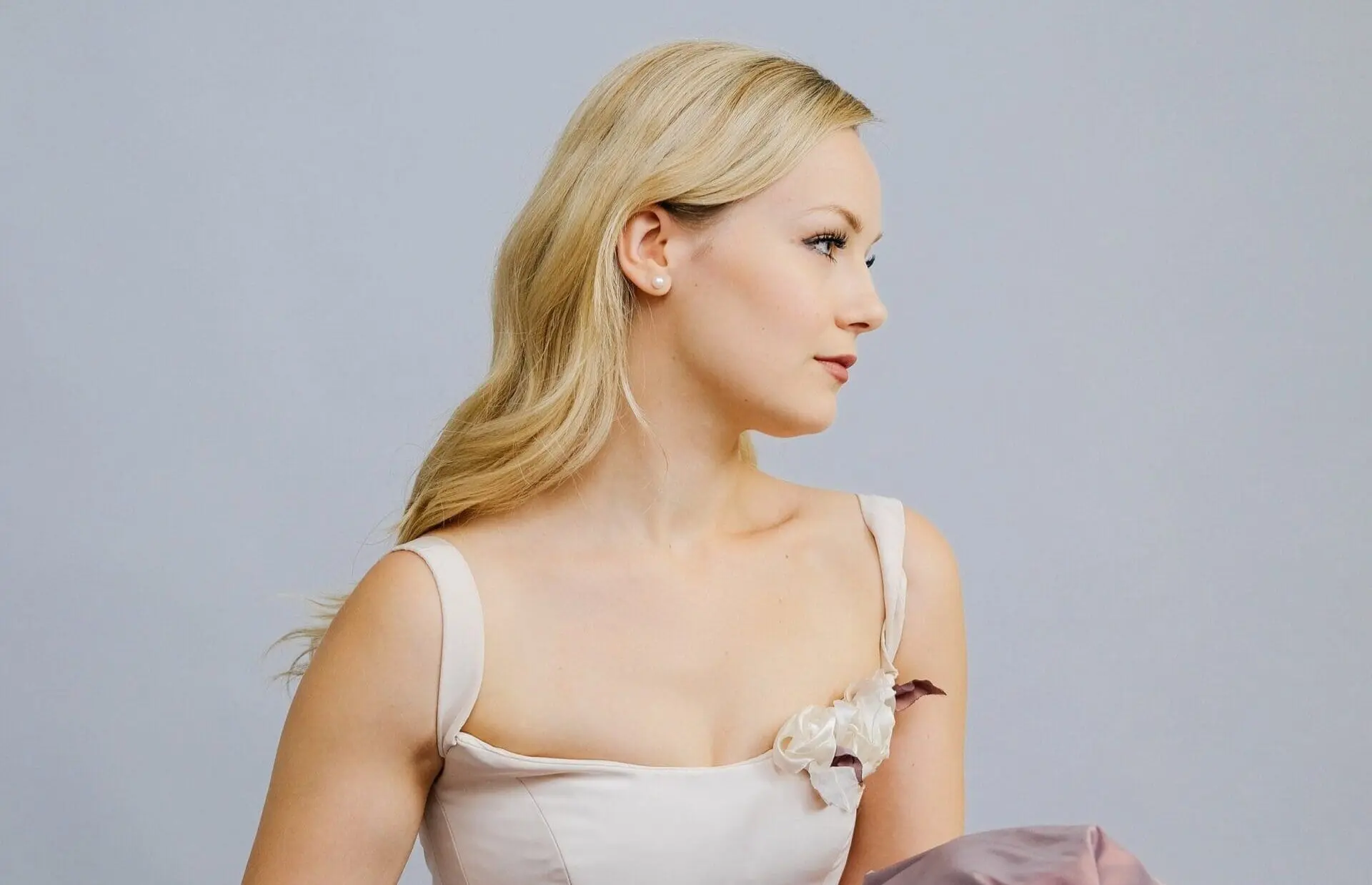
Polish-Canadian soprano Karoline Podolak takes us to Warsaw, Poland, where she is the soprano soloist in Mozart's Requiem at Warsaw Chamber Opera on June 12th (tickets and info).
Karoline is an award-winning artist carving out an exciting career path. This past season, she performed with National Opera and Ballet of Bulgaria, Women’s Musical Club of Toronto, Celebrity Symphony Orchestra, Orchestre classique de Montréal, Peterborough Symphony Orchestra, Sing the North and at Odeon of Herodes Atticus.
While in Warsaw, Karoline shares a bit of Poland's history, her favourite Polish treats and where to catch an open-air Chopin concert. Read on to find out more.
City where you’re working?
Warsaw, Poland.
How long are you working on contract?
It's for the week of the concert on June 12th.
What’s the opera house like?
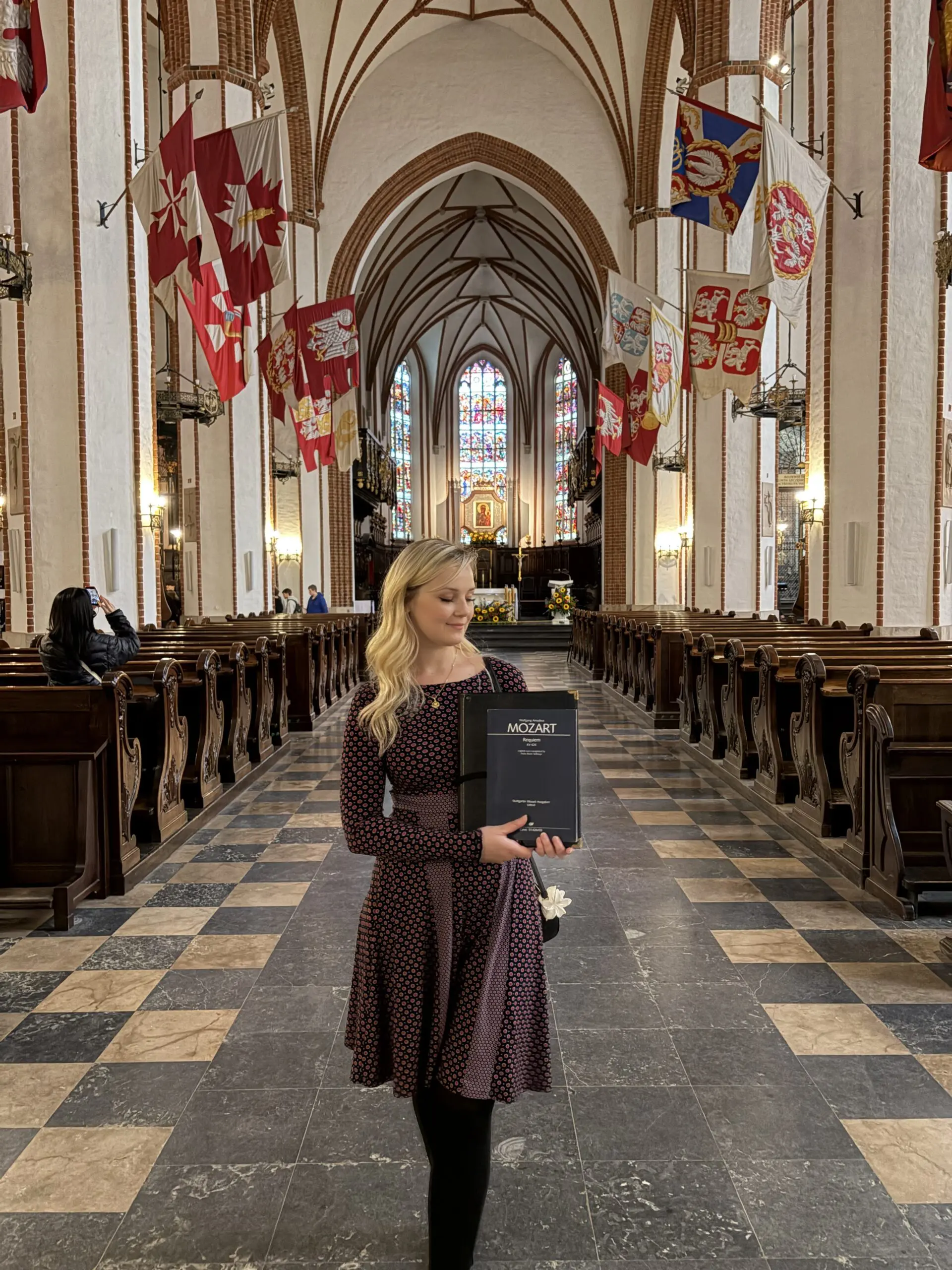
Warszawska Opera Kameralna (Warsaw Chamber Opera) has its own historic, intimate opera house. However, the company’s annual Warsaw Mozart Festival also expands into historically significant venues across the city. Since this performance is Mozart’s Requiem, it will take place at the Archcathedral Basilica of St. John the Baptist in Warsaw’s Old Town. Dating back to the 14th century, the cathedral is considered one of Poland’s national pantheons and houses the tombs of major historical figures including Poland’s last king, Stanisław August Poniatowski, and pianist/composer and former Prime Minister Ignacy Jan Paderewski. The cathedral was almost completely destroyed following the Warsaw Uprising, along with nearly all of Warsaw, and was later reconstructed. Performing the beautiful music of Mozart’s Requiem in such a place is a special honour.
Where is the most peaceful place in the city?
Łazienki Park (The Royal Baths) is a very peaceful, elegant and beautiful place. It contains gardens, palaces and the renowned Chopin Monument. Open-air Chopin concerts are held throughout the summer.
Best coffee or tea?
I don’t drink coffee - though I do drink a lot of tea, especially chamomile around performance time - but I love hot chocolate. My favourite of anywhere I have been in the world is from Grycan, a Polish dessert café chain. I wish they had it in Canada!!
Coolest bar or restaurant you’ve been to?
I’m not sure about the "coolest," but one of my favourite places to eat / culinary experiences in Poland are the traditional Polish cafés and milk bars ("bar mleczny"). Milk bars are a uniquely Polish institution - they’re simple, nostalgic cafeterias that became popular during the Communist era and still serve classic homemade traditional food today at an affordable price (pierogi, cabbage rolls, breaded pork chops). You just can’t go wrong!
An activity you have done that is unique to the area?
I love exploring shops and markets for traditional Polish scarves, amber (Poland is the largest exporter and manufacturer of amber products in the world), famous Bolesławiec pottery and nesting dolls - I’ve started a collection over the years. I also have a sweet tooth, so having Polish treats like świderki ice cream (very tall and thin soft serve) and warm pączki (Polish donuts) has become one of my favourite traditions while I’m here.
Is there something unexpected that happens locally that you discovered?
I discovered the Chopin-inspired piano crosswalks and musical benches in Warsaw. You can press a button and hear 30 seconds of Chopin's music. As a musician, it was a cool surprise and a reminder of how deeply music is part of the city's identity.
How did you find accommodation?
They provided it for me.
What’s the most important thing when finding accommodation as a singer?
Cleanliness is probably the most important thing for me. If I’m staying in a hotel, I also appreciate having access to a conference room where I can warm up without disturbing neighbours, especially if I need to sing early in the morning. And breakfast is always a nice bonus!
Have you had a chance to explore galleries or museums?
I visited the Warsaw Uprising Museum, which was very moving. I also visited the Church of the Holy Cross, where Chopin’s heart is interred. I actually performed there a long time ago at the start of my singing journey, so returning was special.
LEARN MORE ABOUT KAROLINE PODOLAK
VISIT HER WEBSITE
© Karoline Podolak
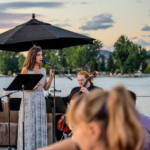
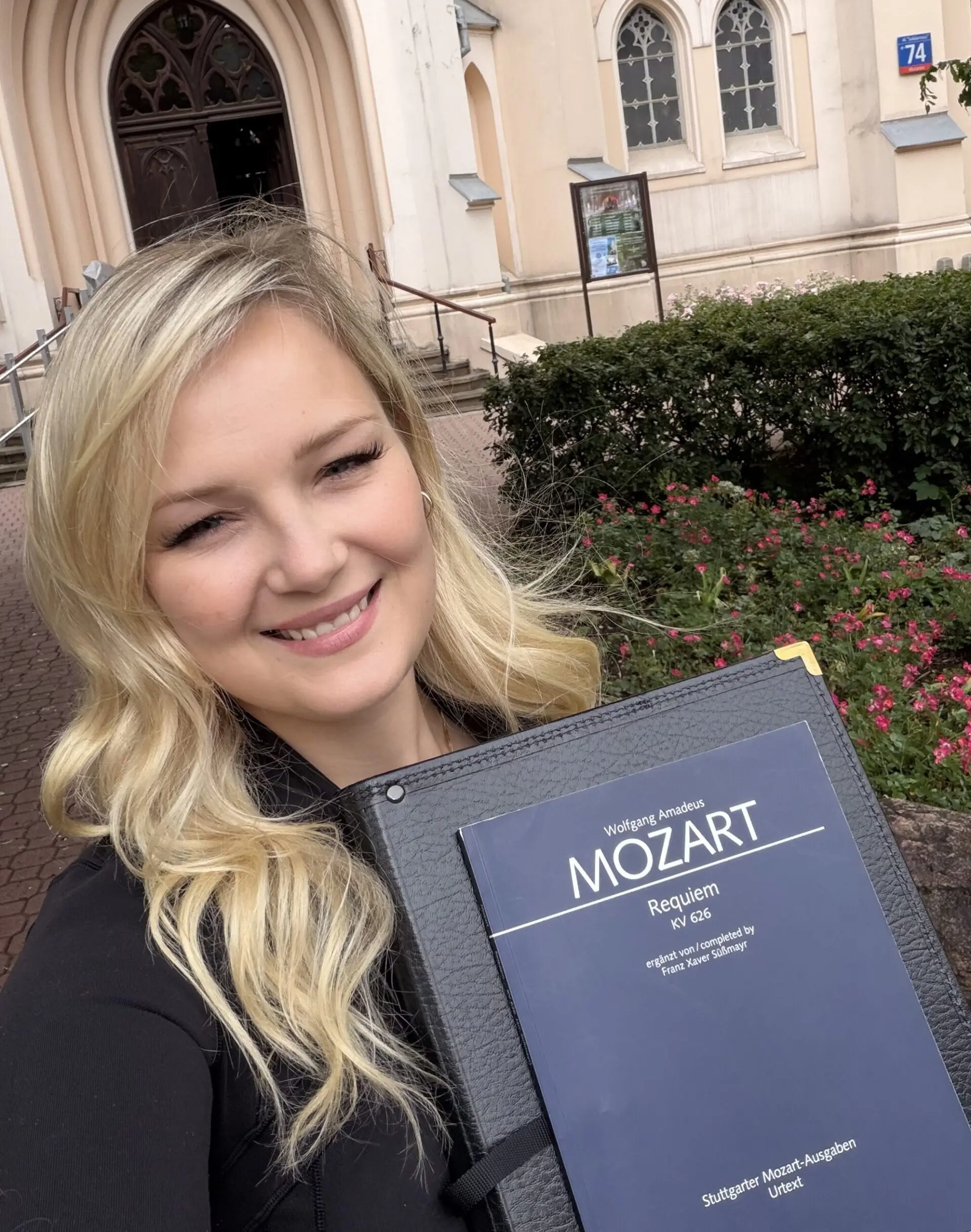
Outside of the rehearsal venue
© Karoline Podolak
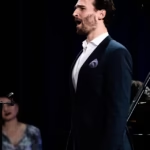
At Archcathedral Basilica of St. John the Baptist
© Karoline Podolak
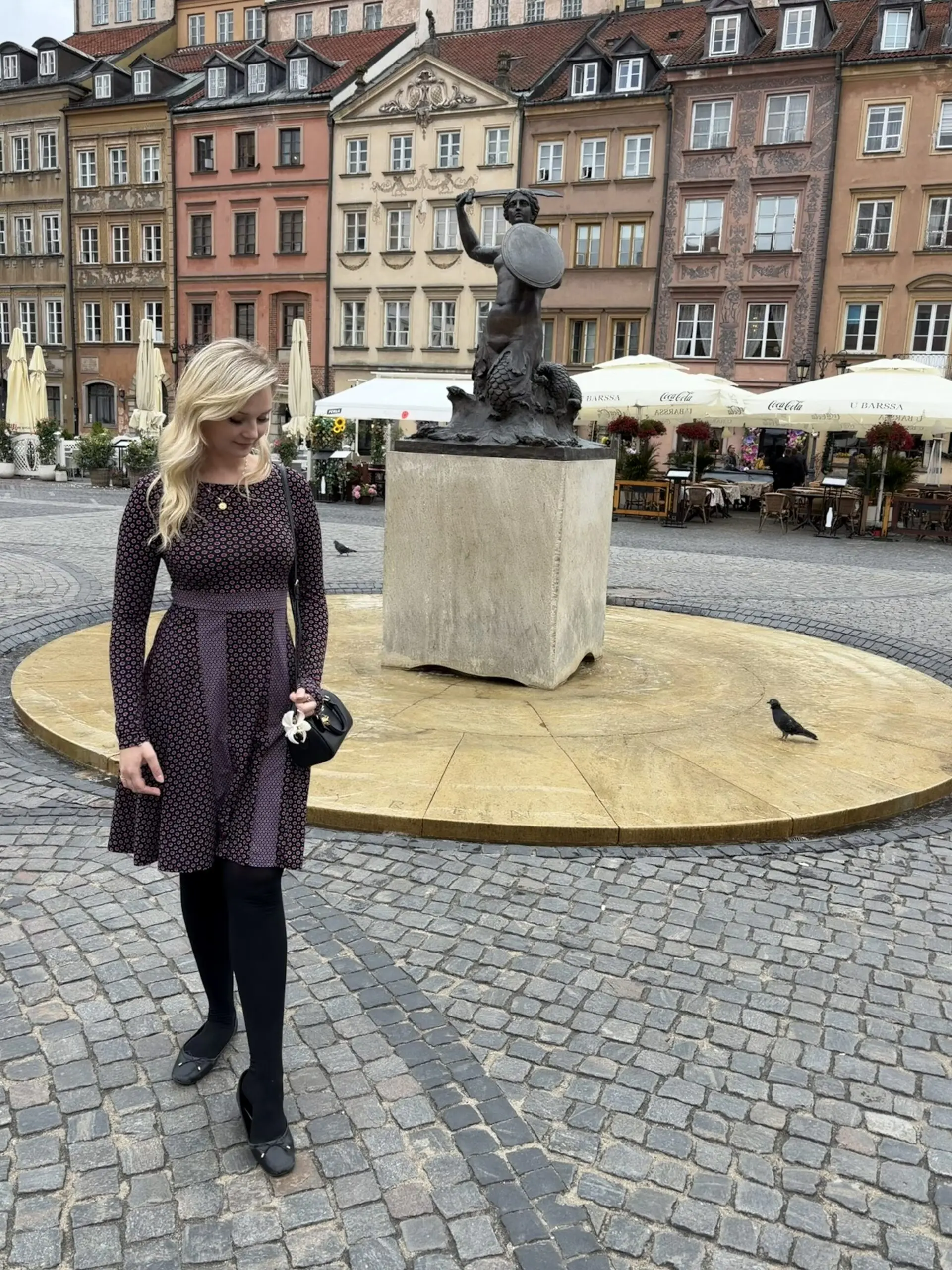
The Mermaid of Warsaw statue
Mozart's Requiem
Warsaw Chamber Opera
June 12
SOPRANO: Karoline Podolak
MEZZO-SOPRANO: Marta Wiktorzak
TENOR: Łukasz Kózka
BASS: Michał RomanowskiVOCAL ENSEMBLE OF THE WARSAW CHAMBER OPERA
HEAD OF VOCAL ENSEMBLE: Krzysztof Kusiel-Moroz
PERIOD INSTRUMENT ORCHESTRA OF THE WARSAW CHAMBER OPERA
Musicae Antiquae Collegium Varsoviense (MACV)
CONDUCTOR: Paweł Przytocki
O „Requiem” Wolfganga Amadeusza Mozarta napisano całe tomy. O tajemniczym zamówieniu; o wycieńczonym pracą i życiem organizmie młodego przecież wciąż człowieka; o walce z czasem… Mozart nie znał nazwiska osoby zamawiającej dzieło, a był nią – co wiemy dzisiaj – hrabia Franz Walsegg: muzyczny amator, który zwykł zamawiać i przywłaszczać sobie cudze kompozycje. Z tego powodu przez wiele lat snuto rozliczne domysły na temat okoliczności tego zamówienia – jedną z najsłynniejszych interpretacji tego epizodu można odnaleźć w filmie „Amadeusz” Miloša Formana.
Mozart, mimo zapłaty „z góry”, nie od razu przystąpił do pracy. Nie miał zresztą na to zbyt wiele czasu, bowiem równolegle tworzył opery: „Czarodziejski flet” i „Łaskawość Tytusa”. Gdy wreszcie zabrał się do komponowania mszy, podupadł na zdrowiu. Złożony chorobą, w ostatnich dniach swojego życia podyktował swojemu przyjacielowi – Franzowi Xaverowi Süssmayrowi – kolejne frazy „Requiem”. Między jawą a gorączką komponował w przekonaniu, że będzie to msza żałobna za jego duszę. Umarł 4 grudnia 1791 roku, mając 35 lat, w trakcie dyktowania ósmego taktu przepięknej „Lacrimosy”. Süssmayr musiał sam dokończyć szkice przyjaciela. Oryginalne Mozartowskie frazy: „Dies Irae”, „Confutatis” czy „Tuba mirum” (podobnie jak „Lacrimosa”) dowodzą geniuszu kompozytora. Natomiast demoniczne „Sanctus”, melancholijne „Benedictus” i dotykające romantycznej nuty „Agnus Dei” to już dzieło Süssmayra. Kontynuator osiągnął poziom godny swego mistrza.
Ze wspomnień Benedikta Schaka, przyjaciela domu Mozartów, możemy dowiedzieć się, że w grudniu 1791 roku odbyła się śpiewana próba fragmentów dzieła. Podobno przy pierwszych taktach Lacrimosy Mozart wybuchnął płaczem, odłożył partyturę i jedenaście godzin później, około pierwszej w nocy, zmarł… „Słyszę tu głos samego Mozarta – pisał w swoim „Dialogu muzycznym” wybitny austriacki dyrygent Nikolaus Harnoncourt – modlącego się z największą żarliwością, ufnego jak chore dziecko, które spogląda na matkę i wtedy wszystkie jego lęki pierzchają”. Tak, słuchając „Requiem” Mozarta – tych genialnych fraz stworzonych przez natchnionego geniusza – możemy pomyśleć, że nie ma strachu, kiedy przychodzi śmierć. Choćby przez chwilę.
Opera Canada depends on the generous contributions of its supporters to bring readers outstanding, in-depth coverage of opera in Canada and beyond.
Please consider subscribing or donating today.