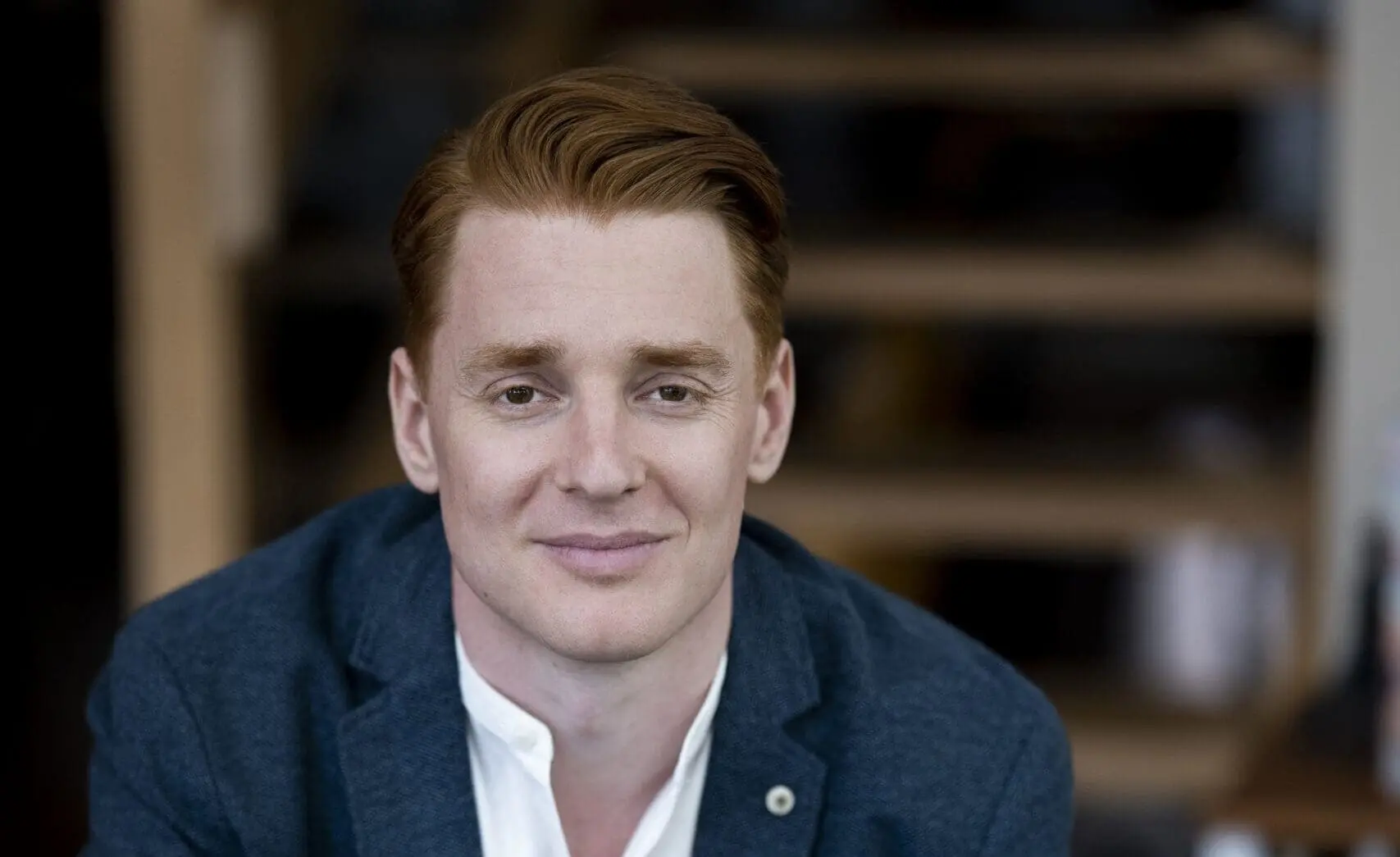
The Artist of the Week is Canadian-American tenor Isaiah Bell. He will be the tenor soloist in Handel‘s Messiah with the Calgary Philharmonic Orchestra on December 4th and 5th (tickets and info here).
Isaiah has distinguished himself as an interpreter of Handel, Britten and Bach’s Evangelists and has also found an artistic home in new creations and re-interpretations of classic works. This season on the opera stage he appears as Peter Quint in Turn of the Screw with Pacific Opera Victoria and Steva in Jenůfa with Opéra de Montréal. He will also perform with the Colorado Symphony, Calgary Philharmonic Orchestra, the Indianapolis Symphony, Toronto Mendelssohn Choir and the Ottawa Choral Society.
This week, Isaiah shares his creative process, what most impacts his performance and a haiku. Read on to find out more.
What are you afraid of?
I’m afraid of almost everything. A poem from my COVID-era haiku project still pops up in my head from time to time:
everything shakes me—
low-flying helicopter
low piano note
What’s the downside of being an opera artist? What’s the best thing about being an opera artist?
For me the up- and downsides are flipsides of the same quality. I’m drawn to it because it lights up so many areas of my brain at once. I’m tormented by it because it forces me bring my whole self into the room every day. I couldn’t have comprehended 20 years ago how crazily it was going to bring me to life. But I do wish it didn’t poke at the very core of me so often.
Do you think singers and performers have a more powerful inner life?
I think it depends on the person. Opera is made of high-intensity situations, and all that life-force can offer more opportunity to build a rich inner world. On the other hand, opera selects for single-minded focus and bulletproof self-belief. If you are sealed off from the space between yourself and other people, your inner life will be impoverished.
The music industry is tough, and filled with rejection. How do you cope? Does it get easier?
I think it will always suck not to be seen. Indifference is terrible when the work springs from your soul. But I also have experienced a shift of attention away from “rejection” as a headline. So many of us are drawn into a lifestyle that rests on other people’s acceptance because we have a scarcity of acceptance within ourselves. It’s an existential wound. But it is possible to re-learn the truth that we are good and complete just as we are. And then everything changes.
Does singing help keep you young?
I’ve always been old on the inside, so singing is actively making me younger, Benjamin Button-style.
Do your onstage experiences also feed into your personal life?
My stage experiences and my life experiences are one continuum of experience. It’s not that one influences the other; they’re inextricable. And I don’t ever get lost in characters like a movie actor or anything, but it is the same body that is screaming, crying, fighting, kissing…
Does your process change from role to role?
It basically goes like this: Find out about the gig. Get the score, get excited. Do some research, learn all about it. Rigorously work… some of it. Shy away from some hot spots. The glow of first interest fades. Sidle up to it from various angles to trick myself into deeper knowledge. Feel the pressure of the job on the horizon, plunge back in. Arrive at first rehearsal at a reliably high – but not A+ – level. Sorry. Address exposed weaknesses. Become possessed by it, exist inside it. Begin to realize what I’m suppose to learn from it as a person/singer. Feel the physical experience of travelling through the opera start to coalesce as an entity. Settle my score with the part that’s not going to be how I want it. Reveal it to other people, and feel it take on its own life. Recreate it, reinvent it, relive it. Oh, it’s over.
Are you a perfectionist?
Yes. The paralysis of perfectionism impedes many areas of my life. But I’m learning that its positive flipside is conscientiousness, attention to detail and motivation to continue growing even without external demands. So I’m working to soften its hard edges, but I know I won’t get over it entirely.
What’s the most important lesson you learned from childhood?
My greatest lessons from childhood are guideposts of what not to do. I was taught what was wrong with me and what’s wrong with the world. My life’s greatest joy has been peeling that back to discover love without judgment and the good things about my own nature.
Do you approach singing differently today than you did at the beginning of your career?
The biggest shift in my singing has been learning to exist as the voice, to understand that the voice is me, rather than treating the voice as something I and my coaches all prod at with chopsticks and analysis. I wish I knew how to convey the earth-shatteringness of this difference.
What is happiness for you?
There is the beautiful happiness of being at home with my husband and dogs, under the duvet, watching an art movie and eating our home-cooked food, and there’s the exhausting, thrilling happiness of wrestling with a creative project, getting immersed in it, obsessing, feeling lots of strong emotions. Then sometimes I’m just walking outside, nothing special is going on, but I think, “I’m happy.” The common ingredient is being there, and not wanting to be elsewhere.
View this post on Instagram
What is one surprising thing that you have learned in becoming an opera singer?
For someone like me, many things that seem really hard are a little easier if you can find a way to try a little less. Complicated processes like opera singing often demand ease as part of the balance.
What is the ultimate goal of opera?
It’s very different for different people. Some people really just want beautiful, emotional music sung by strong voices. If I’m creating an opera from scratch, I want to inquire into as many areas of life as the team can touch. Thoughts, instincts, beauty, the supernatural, sex, the void, the present. There’s so much possibility: all those living people in the same room, mixing music, the voice, theatre and ideas, and creative collaboration from inside extreme body states. But it’s very hard to draw it out.
What does it mean to be brave with music?
Classical music demands so much fine skill, and that can become a screen against the rough edge of the soul. It’s brave to intentionally choose NOT to iron what’s raw out of your practice.
Does performing in different locations impact your performance?
What impacts my performance most is the quality of relationship in the room, among colleagues.
LEARN MORE ABOUT ISAIAH BELL
VISIT HIS WEBSITE
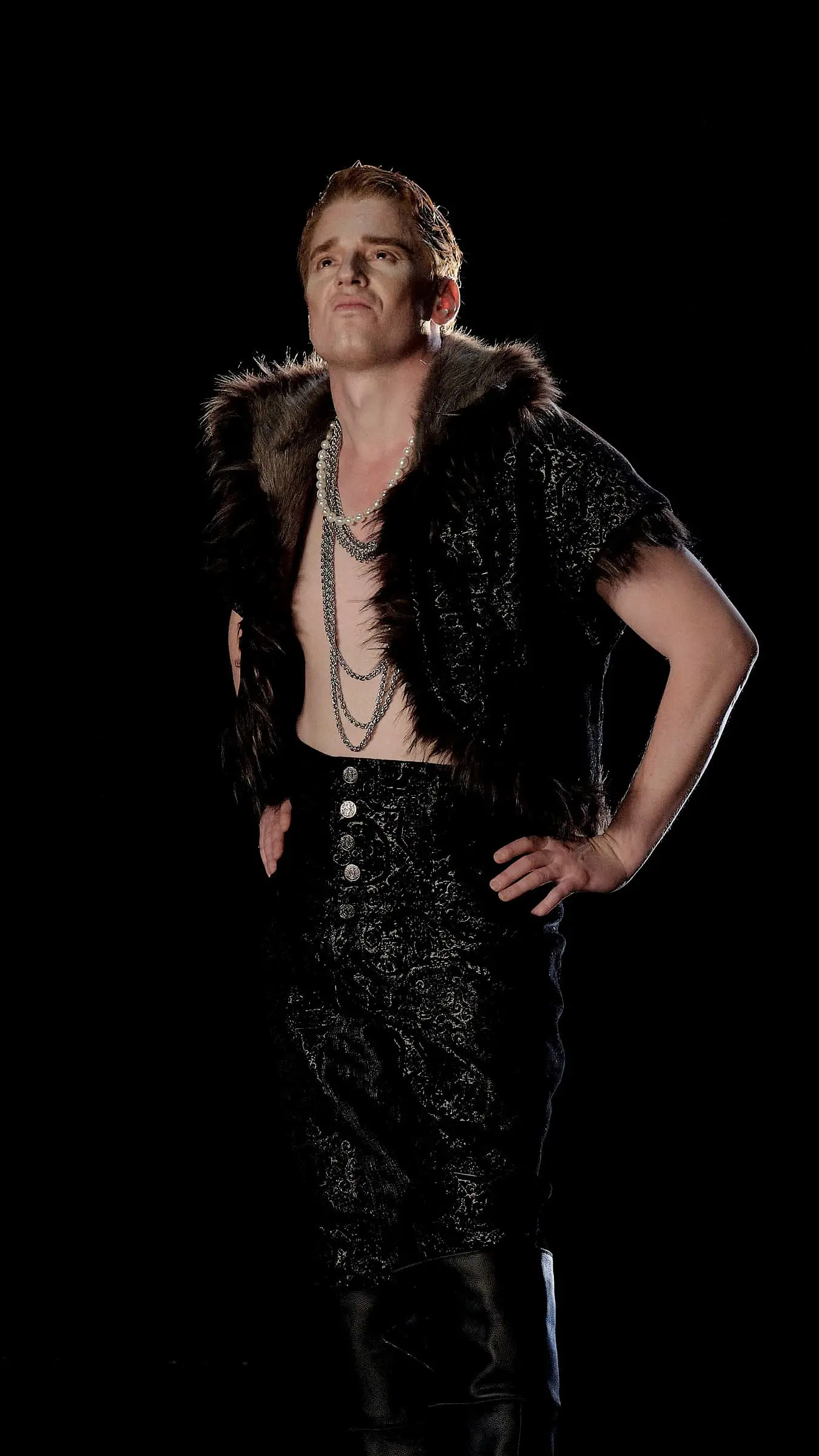
© Vivien Gaumand
In La Reine–garçon at Opéra de Montréal
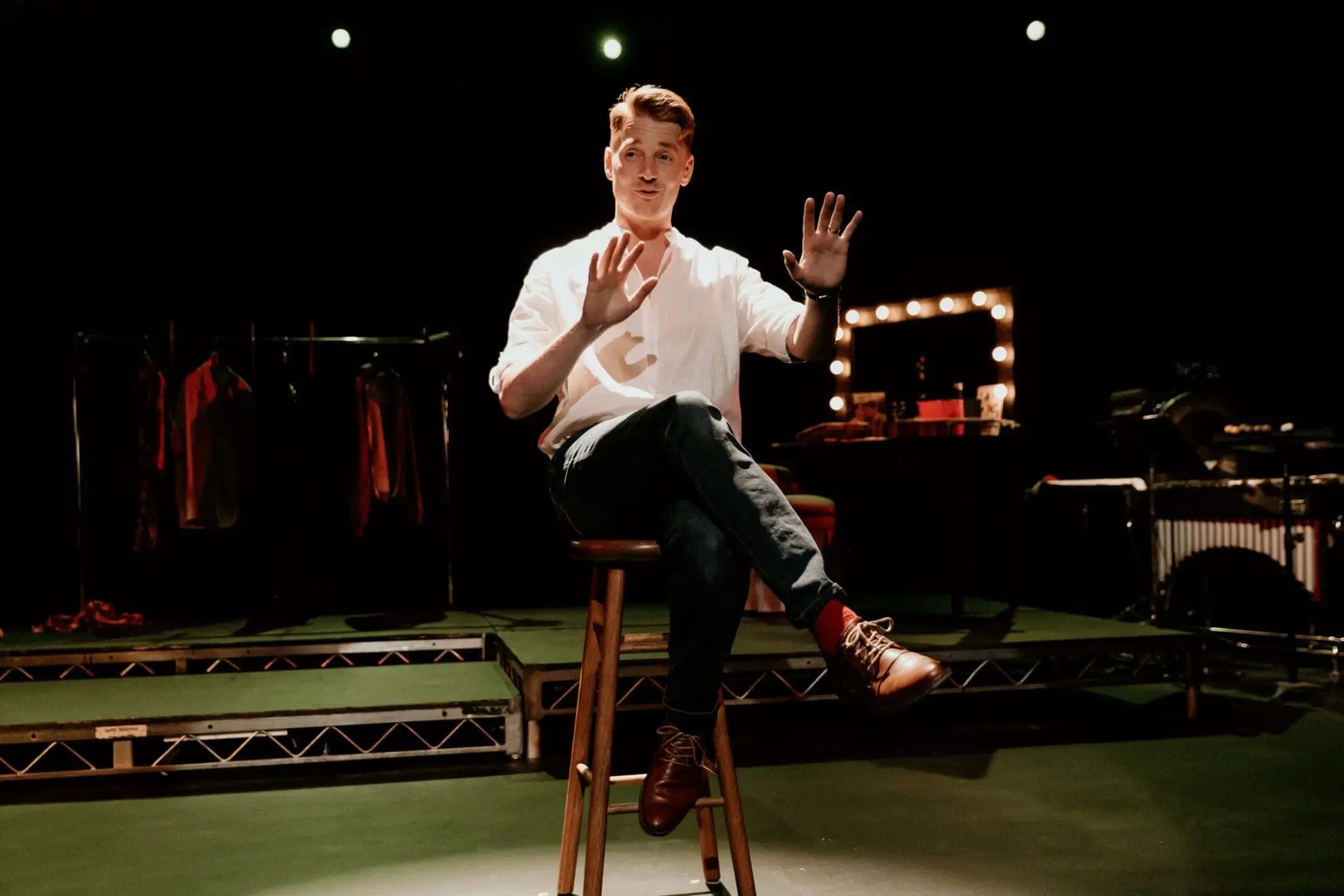
© Diamond’s Edge Photography
At City Opera Vancouver
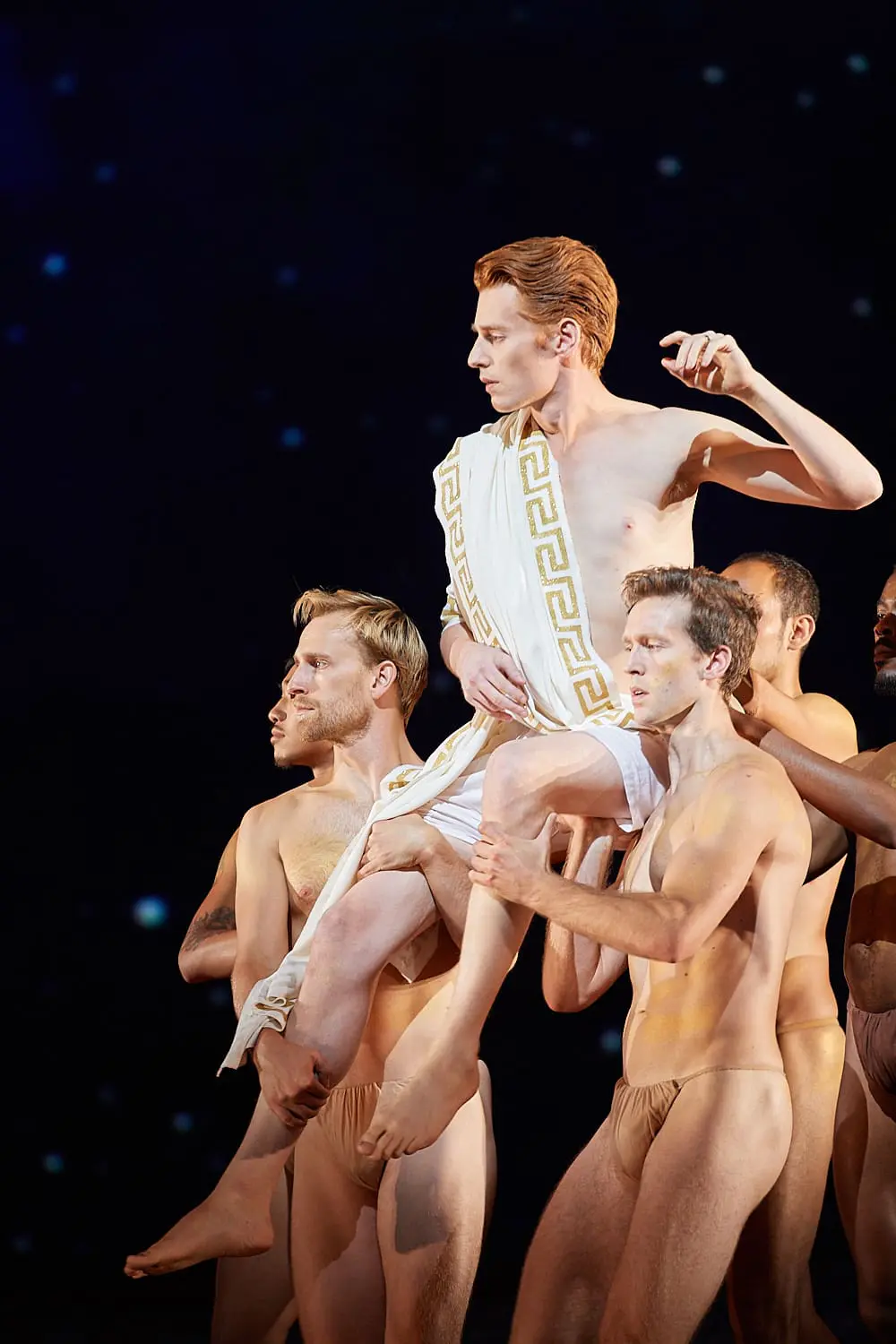
© Michael Cooper
In Hadrian at the Canadian Opera Company
Messiah
Calgary Philharmonic
CONDUCTOR: Stephen Stubbs
SOPRANO: Anna-Sophia Neher
COUNTERTENOR: Nicholas Burns
TENOR: Isaiah Bell
BARITONE: Jonathon Adams
CALGARY PHILHARMONIC ORCHESTRA
CALGARY PHILHARMONIC CHORUS
Hallelujah! A glorious Christmas tradition returns. Conductor Stephen Stubbs, a cast of soloists, and the Calgary Philharmonic Chorus join the Orchestra for this quintessential holiday classic. Handel’s beautiful oratorio combines music and drama in one of the greatest stories ever told.
Opera Canada depends on the generous contributions of its supporters to bring readers outstanding, in-depth coverage of opera in Canada and beyond. Please consider subscribing or donating today.