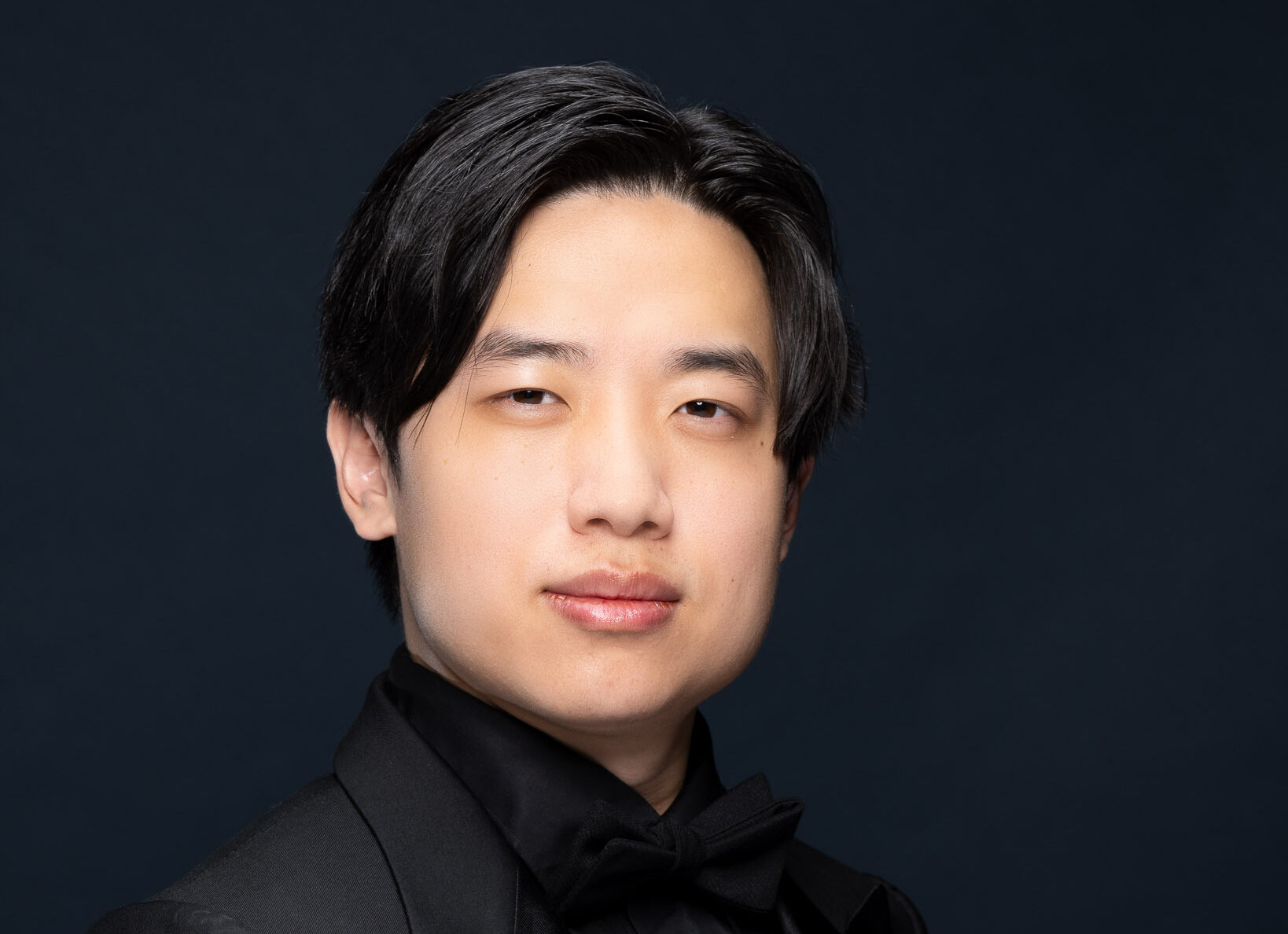
The Artist of the Week is Canadian bass Matthew Li. He will be a soloist in Ensemble Caprice's concert presentation of The Magic Flute on September 10th (tickets and info here).
Matthew is a recent graduate of the Atelier lyrique de Opéra de Montréal. Favourite operatic roles include Leporello, Masetto and Il Commendatore in Don Giovanni, Don Basilio in Il barbiere di Siviglia, Dulcamara in Elisir d’amore, Seneca in L’incoronazione di Poppea, Polyphemus in Acis and Galatea, Sarastro in Die Zauberflöte and Colline in La bohème.
This week, Matthew shares his musical inspirations, the roles he wants to sing in the future and the kitchen tool he can't live without. Read on to find out more.
When was your first singing lesson (and with whom)?
My first singing lesson was as a high school student in Ottawa with soprano Cara Gilbertson. She quickly noticed the potential in my voice (noting that basses were rather rare) and encouraged me to pursue voice studies in university. I had always enjoyed singing, even as a child, but never thought that I could do it for a living. I am eternally grateful to her for introducing me to classical singing, the journey of which has become one of my life’s joys.
What/who inspired you to sing?Soon after I had begun singing lessons, I came across a video of the late Russian baritone Dmitri Hvorostovsky singing Escamillo’s aria from Carmen on YouTube. I immediately fell in love with the timbre and beauty of his singing and have been striving to imitate it ever since.
Drink of choice?
Blueberry bramble (shout-outs to J at Johnny Farina in Ottawa).
Top 3 favourite composers?
Rachmaninoff, Chopin, Mozart.
Sometimes I go on a massive German art-song bend and Schubert and Schumann become my best friends for a day. I love a good melody with a thoughtful accompaniment, and all of these composers were masters in their own way at that.
Top 3 favourite operas?
Carmen, Tosca, Eugene Onegin – all for their beautiful, swooping melodies, rich orchestration, and captivating stories. Honourable mention to Don Giovanni for a perfect balance of elegance and humour, and the masterpiece that is the entire Act Two finale.
Which opera role do you want to be singing right now?
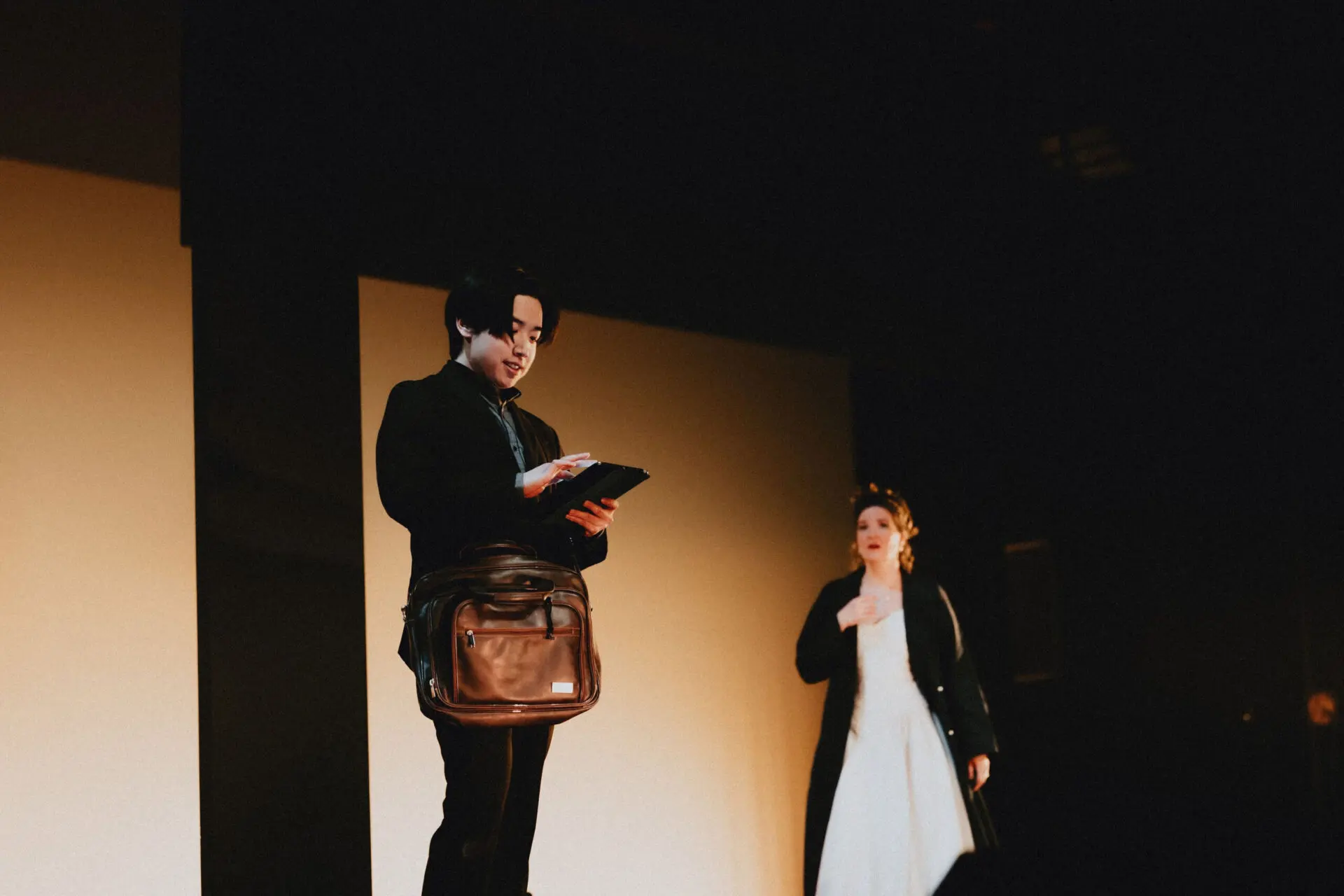
I had the opportunity to sing Leporello in Don Giovanni with Opéra du Royaume in 2025. An excellently paced role with an iconic aria, Leporello has a lot of work to do in managing the Don’s antics. It was a tremendously fun and gratifying experience to play this role, and I don’t think I will ever tire of it.
I would also love to sing Don Giovanni. Even I was seduced by the Don’s melodies, and I imagine it would be very fun to play the brash and vivacious anti-hero.
Which opera role do you want to be singing 10 years from now?
I sang in my first Tosca as Sciarrone with Pacific Opera Victoria this past year, and became very intrigued with the character of Scarpia. His music is epic and commanding – at the same time beautiful and noble – and his character conniving and self-serving. In addition to what I imagine would be the thrilling experience of singing his full-throated vocal lines, I would be very interested in exploring this self-righteous, almost shamelessly evil character. I think I would be ready for such a role in due time, as I continue to accumulate more career experience, and gather the necessary vocal resources to portray such a powerful character.
Who is a singer you admired from the past?
Dmitri Hvorostovsky was my first great inspiration and remains so to this day for the beauty and nobility of his voice and musicianship. Recently, the great Verdi baritone Ettore Bastianini has become another source of inspiration (who was also one of Dmitri’s favourite singers), for the same qualities – and interestingly from a voice that originally trained as a bass.
Coffee or tea?
Always coffee in the morning, but a disciplined, controlled amount (if any) in the hours leading up to a performance. I’ve learned that I’ll always have enough adrenaline to power me through and that I don’t need to supercharge it!
What is your favourite mind-calming practice?
I have the habit of being a perfectionist, which can create a lot of mental clutter against the very vulnerable demands of music-making. Reminding myself that the craft is a lifelong journey of exploration really takes the pressure off of needing to be perfect all the time, and puts me back in the present moment.
What’s the best thing about being an opera artist?
Performances, auditions and competitions have brought me to all sorts of places across North America and Europe so far. It has been a real privilege to see different parts of the world as part of my job.
What’s the downside of being an opera artist?
The post-performance wind-downs can be a little strange to sit through. Imagine building a show and working closely with your fellow cast-mates, the directors, stagehands and the other musicians for a month. Once the applause finishes and the curtains close, it can be a little jarring to go back to regular life for a while or dive straight onto the next project. You develop unique bonds and working relationships in the process of creation, but I guess the temporality of it is part of what makes it special.
Which album did you listen to last?Lang Lang/Gergiev Rachmaninoff’s Second Piano Concerto with the Orchestra of the Mariinsky Theatre (2005).
What book are you reading at the moment?
Anna Karenina by Leo Tolstoy. I received it as a gift for artistic inspiration. I’m enjoying it so far – it’s scandalous, passionate, and thought-provoking.
What is one thing you can’t live without?
Probably a rice cooker. Everywhere I’ve travelled to sing so far, I’ve either brought my rice cooker or bought one there.
The music industry is tough and filled with rejection. How do you cope? Does it get easier?
Rejection, especially when it comes to things you care about, is never easy. What keeps me grounded is to remind myself of why I sing, which no one person can decide for me or take away from me. And that also there are likely factors going into a decision that are beyond my control. Ultimately, as long as I give my best and honest effort everyday, that’s all I can really ask of myself.
When was the first time you cried at the opera?
I’ve yet to cry at the opera, but I remember becoming a little emotional watching the first act duet from Carmen “Parle-moi de ma mère” between Don José and Micaëla in Carmen at the Royal Opera House in 2025. The music guides the heart with its swooping and sincere melodies, and its nostalgic sentiments struck a chord within me to simpler times of the past.
What does it mean to be brave with music?
This might change as I continue to go through life, but right now, I feel like being brave with music is a multi-faceted task:
Firstly, it’s to be humble and brave in the face of the journey of learning – to continually seek improvement, to strive for the impossible task of perfection, yet not being a slave to it (which brings me to my second point).
That second point is to continually be in the moment, sharing with the audience and your fellow musicians your experience with music as the person you are, on that day.
What is happiness for you?
For me, each day that I get to wake up and go sing in a practice room or on a stage brings me much happiness and personal fulfillment. To simply have the opportunity to continue learning, honing my craft and performing is a tremendous privilege.
LEARN MORE ABOUT MATTHEW LI
VISIT HIS WEBSITE
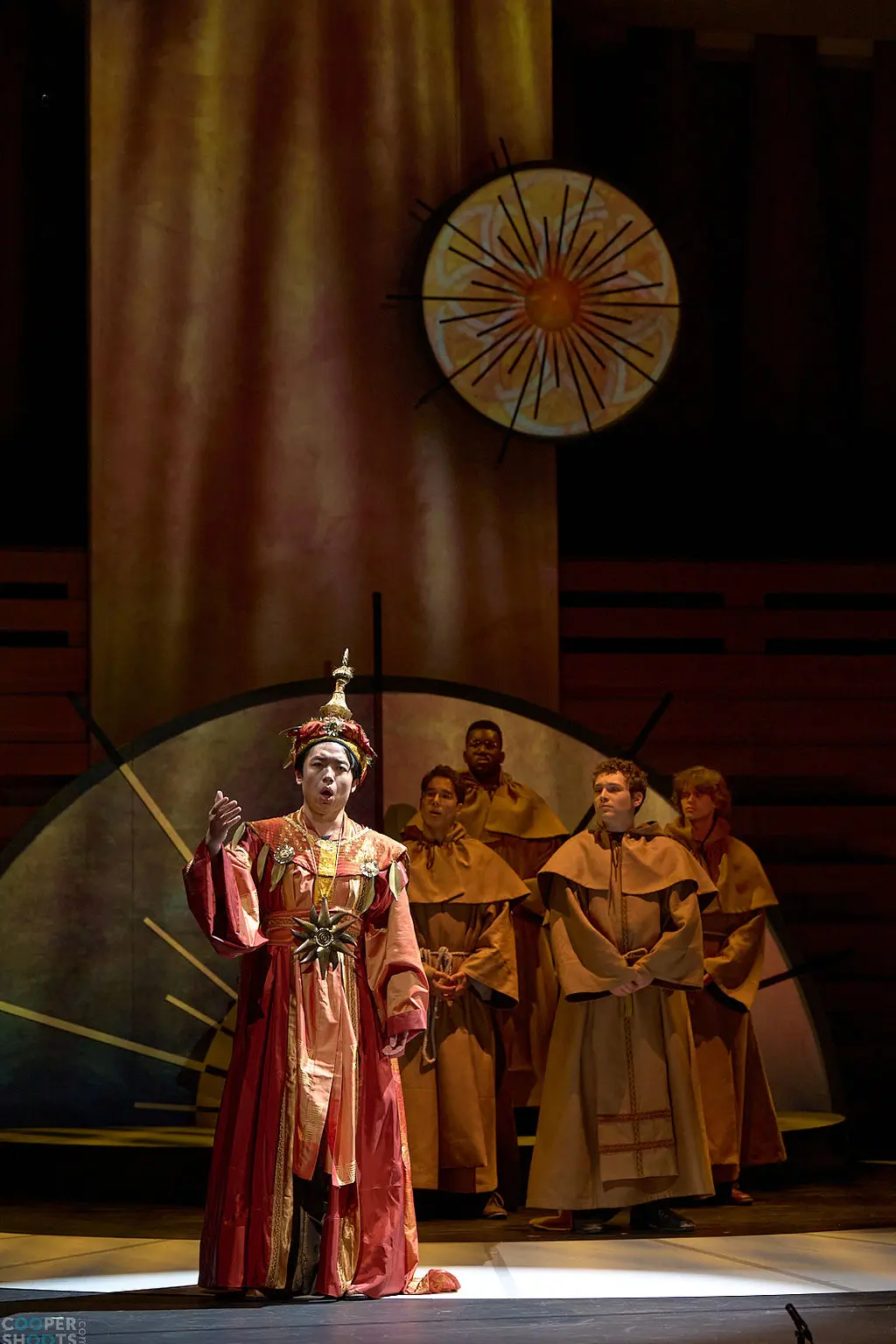
© Michael Cooper
As Sarastro in Die Zauberflöte at the Glenn Gould School
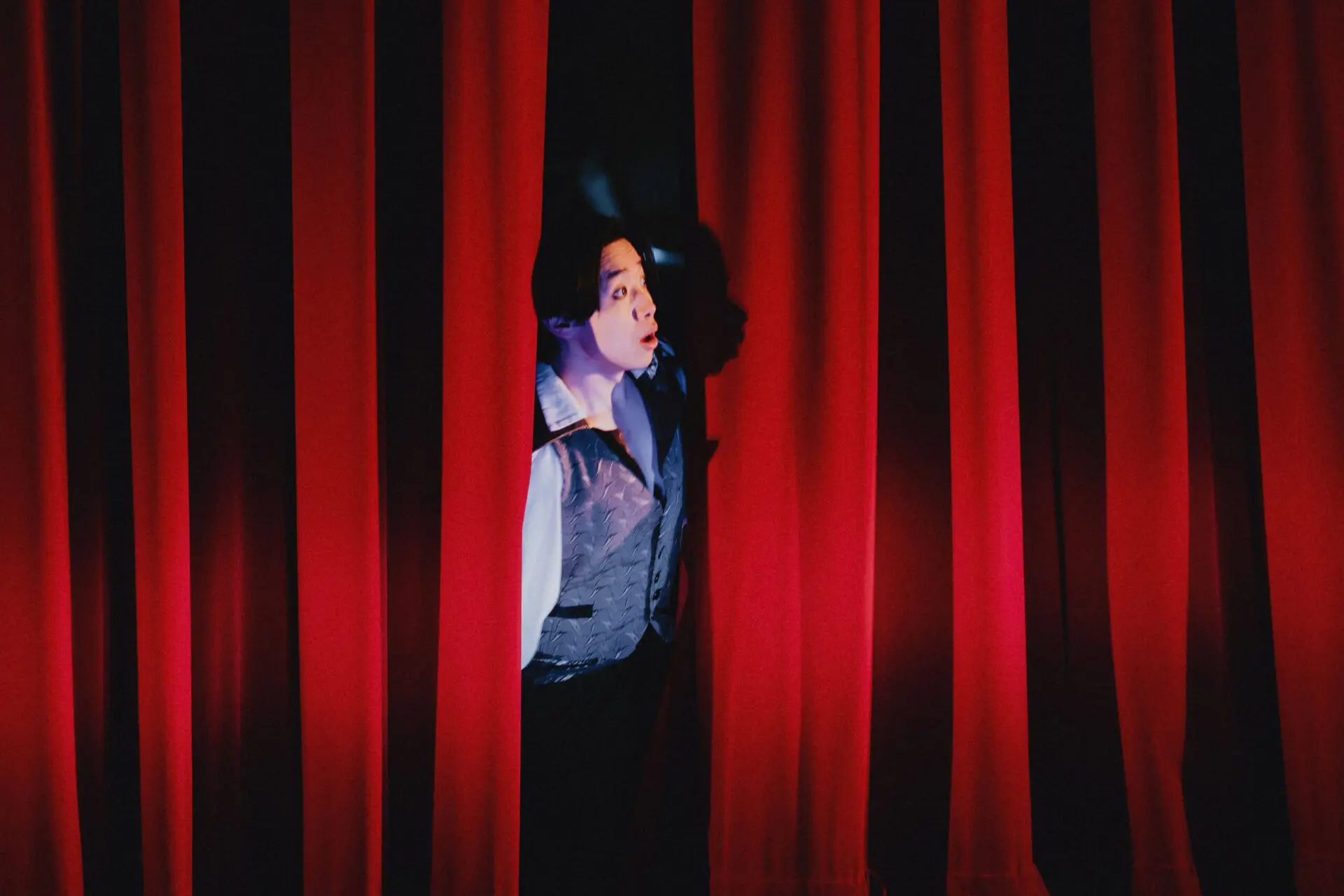
© Patrick Simard
As Leporello in Don Giovanni at Opéra du Royaume
© Patrick Simard
As Leporello in Don Giovanni at Opéra du Royaume
© Kevin Calixte
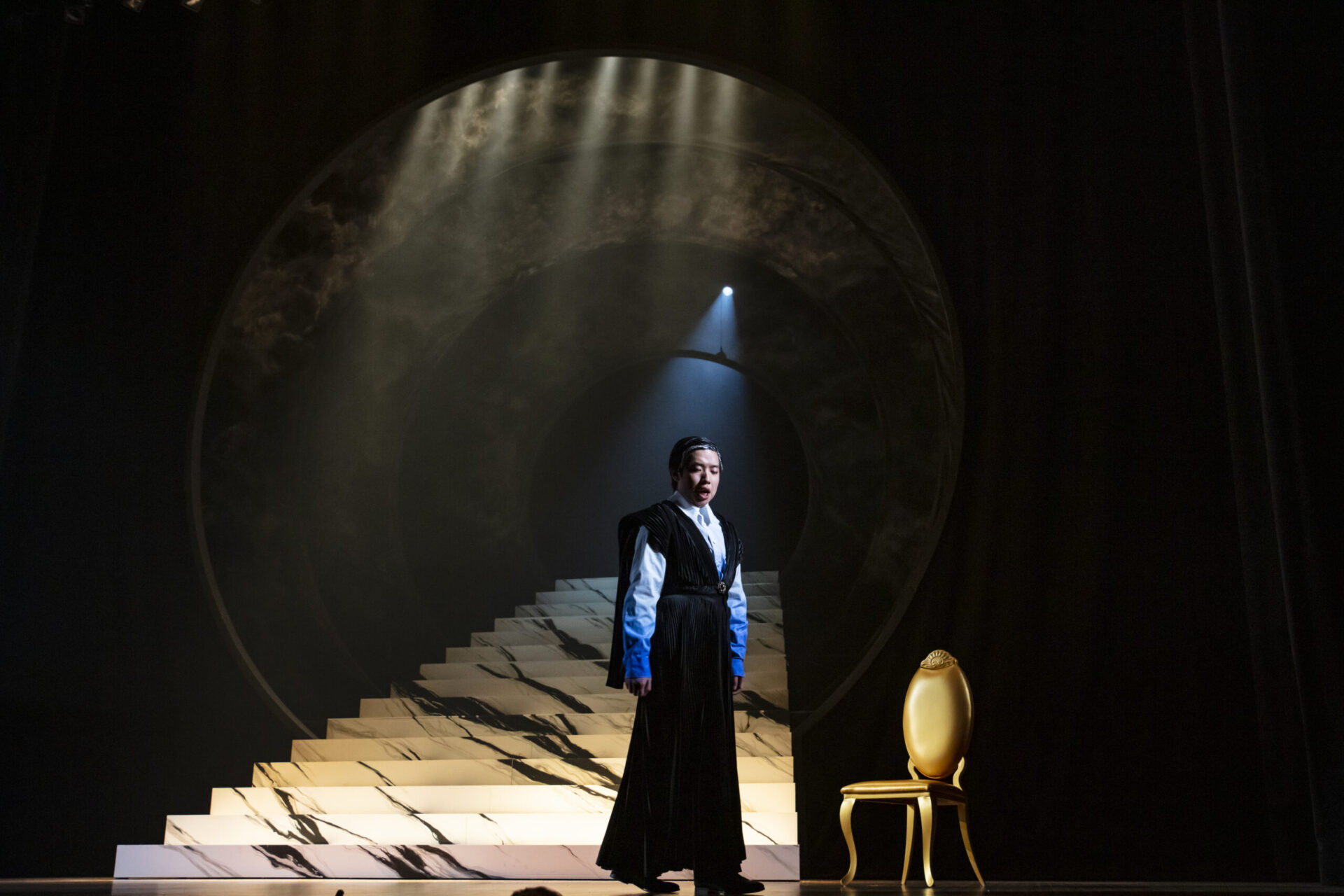
As Seneca in L’incoronazione di Poppea with Atelier Lyrique at Opéra de Montréal
The Magic Flute in Concert
Ensemble Caprice

CONDUCTOR: Matthias Maute
CHOIR: Ensemble ArtChoral
SOPRANO: Suzanne Rigden
BASS: Matthew Li
SOPRANO: Anna-Sophie Neher
TENOR: Colin Ainsworth
BARITONE: Olivier Bergeron
SOPRANO: Catherine Saint-Arnaud
In his final opera, The Magic Flute, Mozart weaves together adventure, humor, and radiant poetry, inviting us on a captivating journey where music transforms everything.
As Tamino and Pamina embark on their quest, courage, love, and harmony unfold in a score of irresistible beauty. Presented in concert version (without spoken dialogue), this performance, conducted by Matthias Maute and featuring Ensemble Caprice with six soloists, reveals the brilliance and expressive depth of this timeless masterpiece.
Opera Canada depends on the generous contributions of its supporters to bring readers outstanding, in-depth coverage of opera in Canada and beyond.
Please consider subscribing or donating today.