Why?
Why, I wondered, did Yoko Ono’s five-minute, one-word 1970 rant “Why” pop into my head as I sat watching the brand-new “opera” called Suddenly Last Summer?
The answer was quickly clear: like Ono in that song, my mind kept screaming “Why?” as I viewed, with increasing puzzlement and annoyance, the much-touted show I’d trekked a hundred miles to see.
Tennessee Williams’s lushly poetic one-acter of 1958 is best known in its sanitized, expanded film adaptation of the following year, with its indelible performances by Katharine Hepburn, as New Orleans grande dame Violet Venable, doting unhealthily on her dead poet son, and Elizabeth Taylor as her niece, Catherlne Holly, who knows all too well her cousin’s equally unhealthy secrets. It’s a play whose words carry their own music, into which any composer should intrude with caution. (It’s notable that before the new Suddenly, there were no more than two Williams-based operas: Lee Hoiby’s Summer and Smoke and André Previn’s A Streetcar Named Desire.)
That didn’t deter Courtney Bryan, a well-regarded MacArthur “Genius” grantee but an operatic novice, or the two men who recruited her for the project, director Daniel Fish and his co-librettist, Gideon Lester. But can you honestly call a work an “opera” when no more than a third of the words are actually sung, the rest relegated to two actors onstage and two more appearing, prerecorded and larger than life on film?
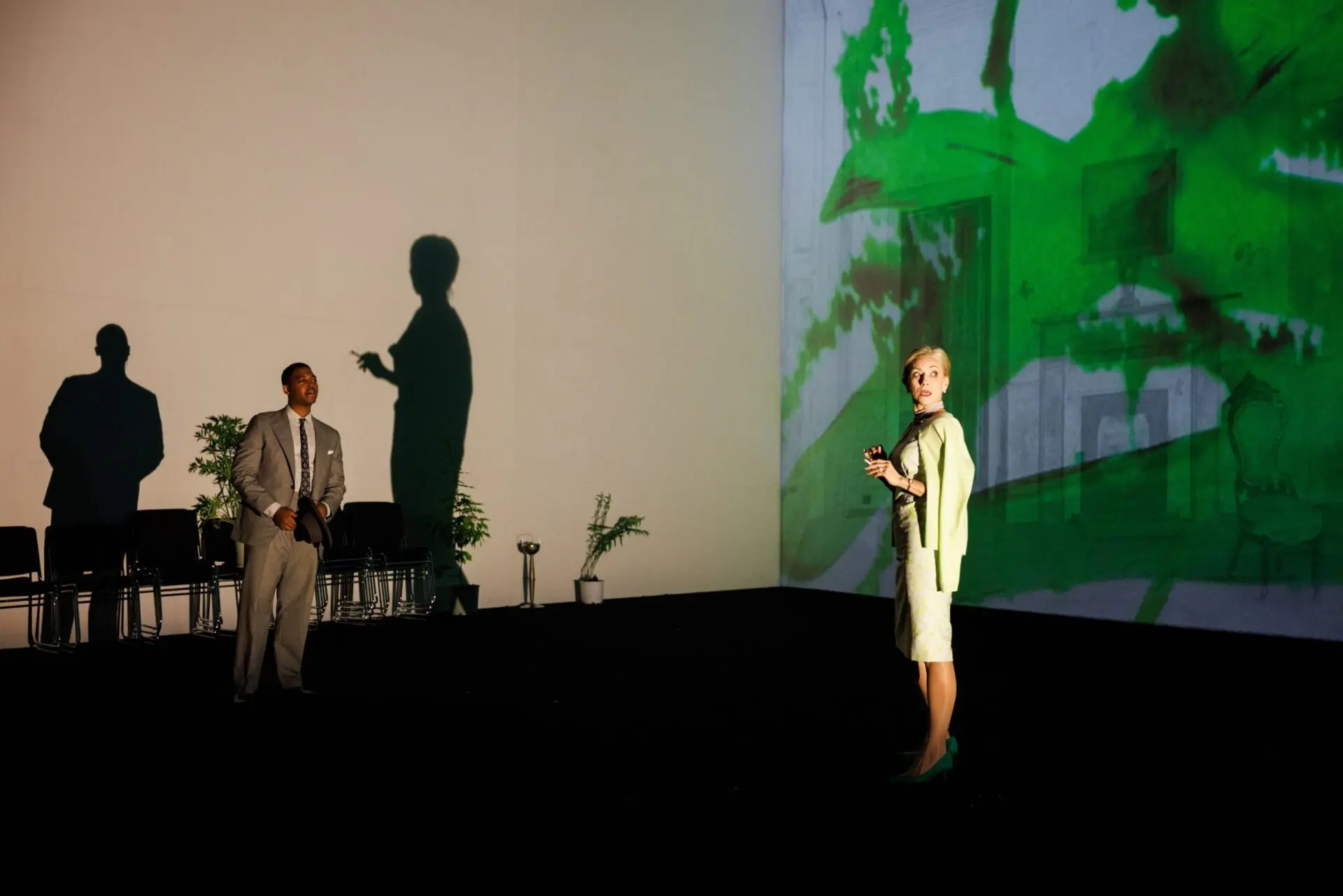
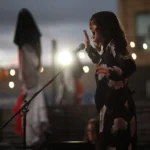
Photo Credit: Maria Baranova
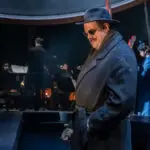
Actors Branden Lindsay and Tina Benko as the doctor and Mrs. Venable
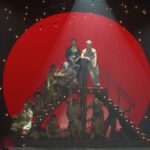
And was it Fish’s idea to augment them with a visual artist (the tireless Lucy Tarquinio) who, stationed prominently at a table stage left, created an ever-evolving series of painted images projected onto the bare back wall of the otherwise minimalist set? The frequent lighting changes (so many shadows and silhouettes!), the amplified sound and – at the matinee I saw – a trio of ASL interpreters offered further distraction. The staging fatally lacked focus; the superabundance of bells and whistles diminished Williams’s play rather than enhanced it.
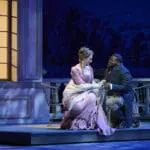
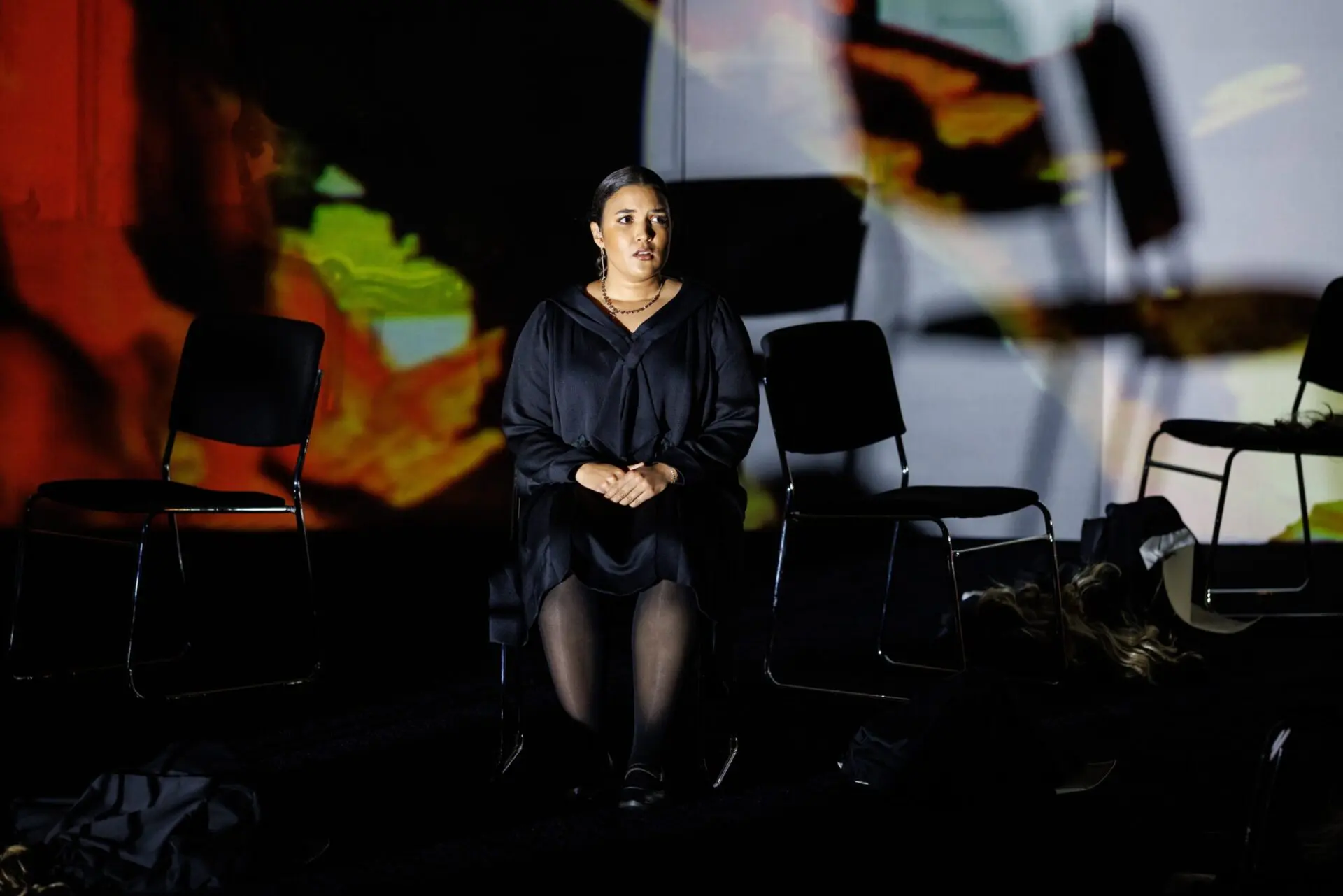
But what about the music? Frankly, apart from a few phrases sung from backstage, I wasn’t much aware of it till, midway, Catherine – the lone solo singer – officially appeared to confront, and be confronted by, the live and prerecorded actors. (Nathan Koci led the chamber orchestra behind the scenes.) There’s a “choral interlude” in which the visually versatile Young People’s Chorus of New York City lined up downstage to present a little concert of birdlike whistles and other nonverbal sounds – to my mind, the one or two most striking minutes of the 70-minute score. And Catherine’s climactic narrative at least narrows the work’s focus, though Bryan’s setting of it seems more bent on exploiting the vocal range and expressive talents of Canadian soprano Mikaela Bennett, for whom the role was tailored, than on exploring her character’s haunted psyche. A provenly gifted stylistic shape shifter, Bennett was the show’s strongest asset; and in her deft vocal hands the narrative, in a stand-alone guise, would likely work as well in concert as it does in context.
Tina Benko played a sleekly generic Mrs. Venable, lacking both the Grand Guignol eccentricity of Hepburn and the mesmerizing understatement of Maggie Smith in a splendid 1993 BBC production directed by Richard Eyre. And wasn’t it a major missed opportunity to deny Violet, with her florid flights of verbiage, an operatic voice? Branden Lindsay, as the young doctor she enlists to cut the truth from her niece’s brain, played his unshowy part well. Up on screen in their juicier roles as Catherine’s venal mother and brother, Miriam Silverman and Nick Westrate were likewise aptly cast.
Still, along with Ono’s plaint, my mind kept taking me back to another far more potent Bennett-and-Fish pairing: Michael Gordon’s terrific Acquanetta. Why, I disappointedly queried myself, can’t this new work be as good as that?
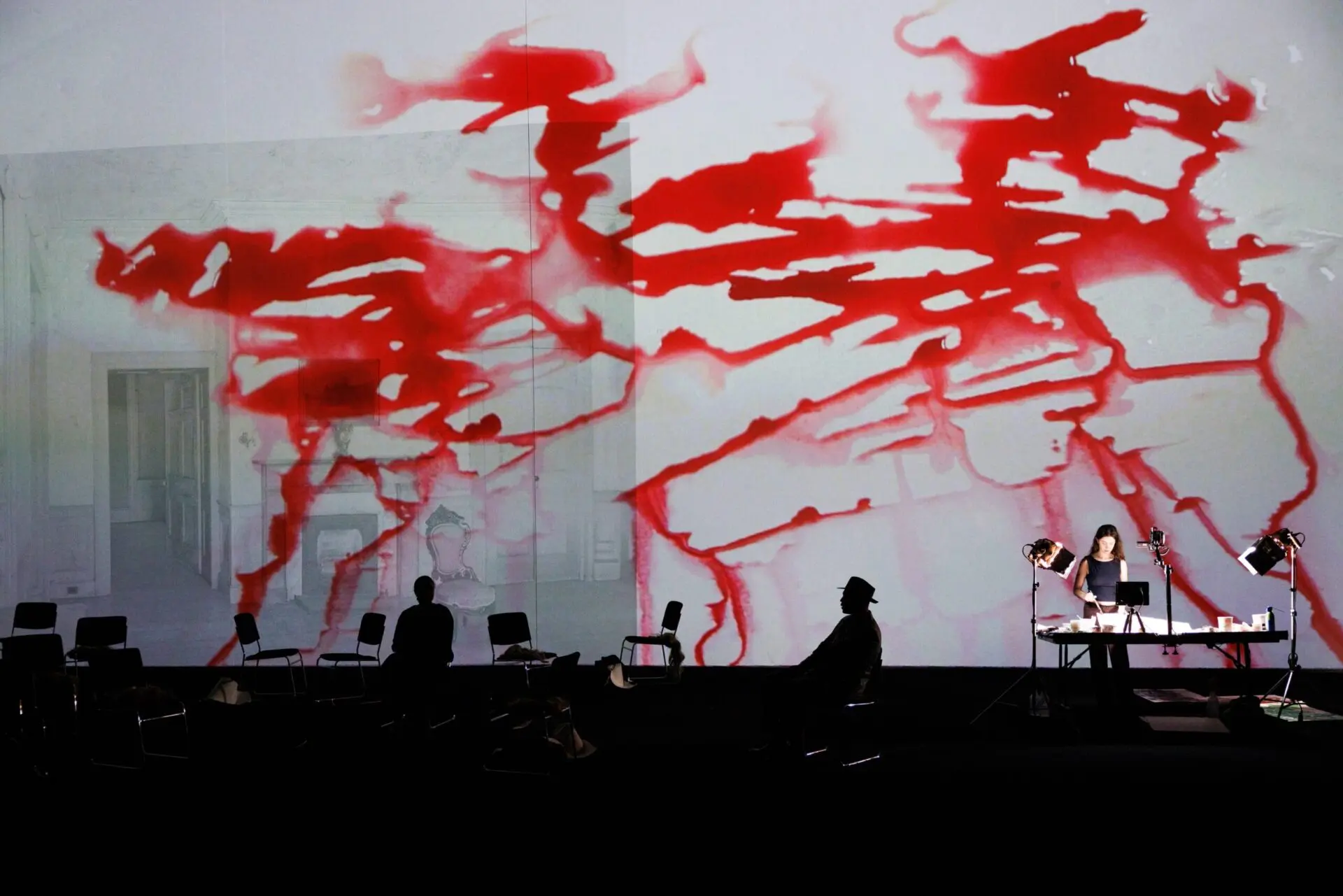
Photo Credit: Maria Baranova
The work of artist Lucy Tarquinio (standing on right) was projected onto the backdrop of the minimal set for Suddenly Last Summer
Opera Canada depends on the generous contributions of its supporters to bring readers outstanding, in-depth coverage of opera in Canada and beyond. Please consider subscribing or donating today.